
TL;DR

Get the latest gadgets delivered free with Prime
- Fast, free delivery on millions of items
- Prime Video, Amazon Music and more included
- Member-only deals all year
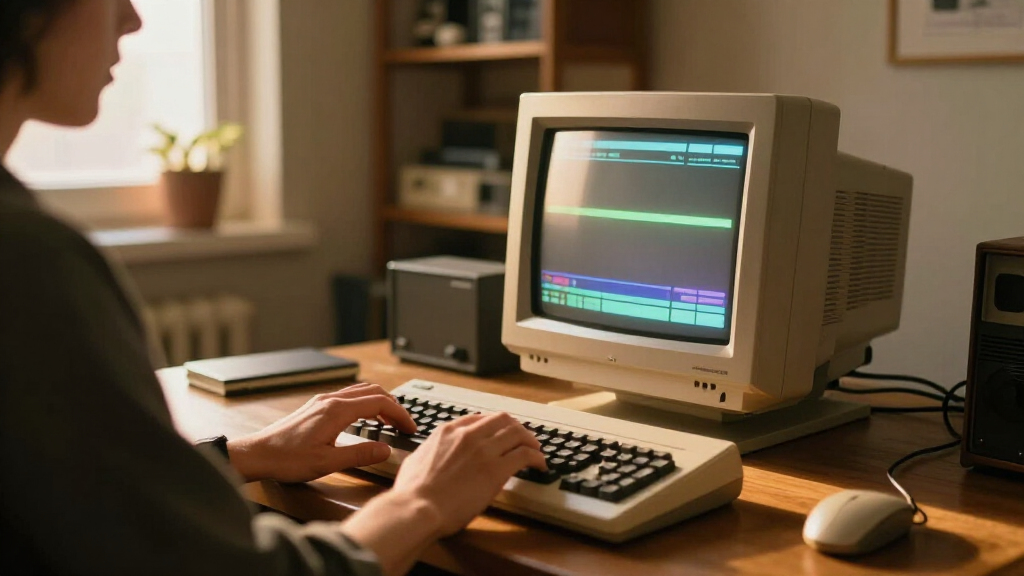
The Commodore 64 was released on September 1, 1982, becoming one of the most influential home computers. Its launch has generated renewed interest in vintage computing history, though details about its initial market impact remain limited.
On September 1, 1982, Commodore International officially launched the Commodore 64, a home computer that would later become one of the best-selling personal computers of all time. This release marks a pivotal moment in the history of consumer electronics, as the C64 introduced advanced features at an affordable price, fueling the growth of home computing and gaming.
The Commodore 64 was introduced to the market on September 1, 1982, following months of anticipation. It featured a 1.023 MHz MOS Technology 6510 microprocessor, 64 kilobytes of RAM, and a custom graphics chip capable of displaying 16 colors, which was considered advanced for its price point. The computer was marketed towards consumers and hobbyists, aiming to make computing accessible and affordable.
Initial sales data from the launch period are limited, but the C64 quickly gained popularity for its robust hardware capabilities and extensive software library, including games, productivity tools, and educational programs. Its competitive pricing and broad compatibility helped establish a strong foothold in North American and European markets, setting the stage for its long-term success.
Impact of the Commodore 64 Launch on Home Computing
The release of the Commodore 64 is widely regarded as a turning point in the democratization of personal computing. By combining powerful hardware with an affordable price, it enabled a new wave of consumers, hobbyists, and developers to access computing technology. The C64’s extensive software ecosystem helped foster a vibrant community and laid the groundwork for future innovations in gaming and programming.
Its popularity also influenced competitors and contributed to the growth of the home computer market during the early 1980s, shaping the trajectory of personal technology development. The C64’s legacy persists as a symbol of accessible, entertainment-oriented computing during its peak years.
As an affiliate, we earn on qualifying purchases.
Background and Market Conditions Before the Launch
Leading up to the 1982 launch, the home computer market was in a state of rapid development, with various companies introducing models aimed at consumers and hobbyists. Notable competitors included the Atari 800 and Apple II, both of which offered advanced features but at higher price points. Commodore, already known for its VIC-20, sought to capture market share with a more powerful yet affordable machine.
The anticipation for the C64 grew throughout 1982, driven by industry speculation and marketing campaigns. Although specific sales figures for the initial launch are scarce, early reports suggest strong consumer interest, likely fueled by the computer’s technical specifications and competitive pricing. The launch coincided with a broader push towards personal computing as a household appliance, rather than solely a business tool.
As an affiliate, we earn on qualifying purchases.
Unconfirmed Details About Initial Market Reception
While the launch date and specifications are confirmed, detailed data on initial sales figures and consumer reception remain limited or unverified. Reports suggest strong interest, but comprehensive market analysis from the period is scarce, making it difficult to assess the immediate commercial impact fully.
As an affiliate, we earn on qualifying purchases.
Expected Developments Following the Launch
Following the September 1 release, Commodore aimed to expand the availability of the C64 through retail channels and software partnerships. The company anticipated sustained demand, which would support a growing ecosystem of developers and users. Industry observers expect that the success of the C64 would influence future home computer designs and market strategies over the coming years.
As an affiliate, we earn on qualifying purchases.
Key Questions
What were the main features of the Commodore 64 when it launched?
The Commodore 64 featured a 1.023 MHz MOS Technology 6510 processor, 64 KB of RAM, and a graphics chip capable of displaying 16 colors, making it a powerful and affordable home computer for its time.
How did the market respond to the Commodore 64’s release?
While specific sales data from the initial launch are limited, early reports indicate strong consumer interest, driven by its technical capabilities and competitive pricing. The C64 quickly gained popularity in North America and Europe.
Why is the release of the Commodore 64 considered significant?
Its affordable yet powerful hardware helped democratize home computing, fostering a large community of users and developers, and influencing the future of personal computers and gaming industries.
What challenges did Commodore face after launching the C64?
Details about post-launch challenges are limited, but competition from other home computers and the need to expand software support were ongoing concerns for Commodore.
What is the legacy of the Commodore 64 today?
The C64 remains a nostalgic icon and is celebrated for its role in popularizing home computing and gaming, with a dedicated community preserving its history and software.
Source: hn
Halloween Picks
halloween
As an affiliate, we earn on qualifying purchases.