

🔍 Read the full analysis: Grok 4.7’S Release Date: September 21 And The AI Context on ThorstenMeyerAI.com

Get the latest gadgets delivered free with Prime
- Fast, free delivery on millions of items
- Prime Video, Amazon Music and more included
- Member-only deals all year
TL;DR
A headline attributed to an xAI-linked listing gives September 21, 2026, as Grok 4.7’s release date and says it shipped during a particular market window. The supplied material contains no article body, official xAI statement or independent evidence confirming the date or that the model launched.
A headline attributed to an xAI-linked news listing, as described in the original analysis, says Grok 4.7 was released on September 21, 2026, but the material available for review does not confirm that the model launched. It includes no article body, direct announcement from xAI or other verifiable evidence, leaving both the date and the claimed release unverified.
The supplied item is titled “Grok 4.7 Release Date: September 21, 2026, and the Window It Shipped Into.” Its wording presents a specific date and describes the model as having shipped. However, the accompanying material says the original article body could not be extracted. The headline is therefore the only evidence provided for the release claim; it cannot establish that Grok 4.7 was available on that date.
No xAI statement, dated release notes or product listing is included. The material does not say whether September 21 refers to an announcement, the beginning of a staged rollout or general availability. It also provides no confirmed information about access, pricing, regions, specifications or model changes. There are no direct quotations from the company or a named spokesperson.
The headline’s reference to a release “window” is not explained. It does not identify a period, competing launches or a product cycle, so the supplied evidence cannot establish what the wording means or why the timing might matter. The most firmly supported fact is limited: a headline makes the date and release claim, while documentation needed to verify it is absent from the material provided.
Why Users Need a Verified Launch Date
A verified release date would give users and developers a practical point of reference: when they might be able to try the model, assess a change to their workflows or decide whether to build around it. Businesses and researchers comparing AI systems would also need reliable information about availability and capabilities before making plans. Those questions cannot be answered by a date in a headline alone.
That distinction matters because a reported release can mean several things. An announcement may precede access; a rollout may be limited by account, region or plan; and a general-availability date may differ from both. Without confirmation of the event the date describes, readers should not treat September 21 as a dependable access milestone or infer that users could obtain the model then.
The alleged market timing may invite speculation about competitors or strategy, but the source material names no other releases and provides no evidence of xAI’s rationale. The immediate news value is therefore narrow: a precise date has been published, but the documentation needed to assess its accuracy and practical consequences is missing.
Products Worth Considering

Kindle Paperwhite Signature Edition 32GB (2024 Model) – Metallic Black

LG 27GS60QC-B Ultragear 27-inch Curved Gaming Monitor (QHD, 180Hz, 1ms, 1000R)
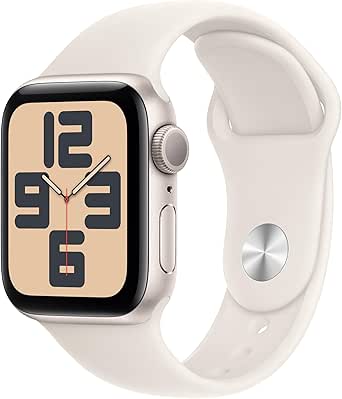
Apple Watch SE (2nd Generation) GPS 40mm Smartwatch with Starlight Aluminum Case and Starlight Sport Band (S/M)
As an affiliate, we earn on qualifying purchases.
What the Headline Does and Does Not Establish
The available source material identifies the item as a headline from an xAI-linked listing and says its original body was unavailable for review. That is not the same as confirming the claim through xAI or a product interface. No earlier company announcement, documentation or independent report is supplied to establish a timeline for Grok 4.7.
As a result, the material cannot clarify whether “Grok 4.7” is a finalized product name, what version it might follow, or what the stated “window” refers to. It includes no benchmarks or feature descriptions, either. Claims about improvements, performance or competitive standing would go beyond the evidence and should not be inferred from the headline.
Release Status and Access Remain Unknown
The central unanswered question is whether Grok 4.7 actually launched on September 21, 2026. The supplied material provides no official confirmation or independent corroboration. That gap does not prove the date is wrong: the headline may summarize reporting that was not available in the extracted text. It does mean the claim cannot be treated as established on the evidence provided.
Even if the date is accurate, the source does not clarify what happened on that day. It could refer to an announcement, a limited rollout or broader availability; no time zone, eligibility requirements or supported regions are stated. The model’s features, pricing, access conditions and relationship to earlier versions are also unspecified. The explanation for the “window” and any connection to other market events remain unknown.
Evidence Needed to Confirm the Date
Confirmation would require verifiable material such as a dated xAI announcement, official release notes or a product page identifying Grok 4.7 and its availability. Such evidence could show whether September 21 marks an announcement or a rollout, which users can access the model, and whether access varies by region or plan. Independent evidence of the model’s availability could also help establish what the date represents.
No further confirmation or update is included in the material provided. Until supporting evidence appears, the release date should be described as a claim made in a headline, not as a confirmed launch milestone. If documentation becomes available, the next questions will be what changed in the model, how access works and what evidence supports any performance claims.
Key Questions
Is September 21, 2026, a confirmed Grok 4.7 release date?
No. The supplied material gives that date in a headline but includes no official xAI confirmation, article body or independent evidence to verify it.
Does the material establish that Grok 4.7 launched?
No. The headline describes the model as having shipped, but the supporting reporting or documentation is not available in the material reviewed. The launch claim remains unverified.
What does the headline mean by a release “window”?
The material does not explain the phrase. It identifies no specific market period, competing release or product cycle, so readers should not infer a strategic reason for the timing.
What evidence would confirm the date?
A dated xAI announcement, official release notes or a product listing showing Grok 4.7 availability could help verify the claim and clarify whether the date refers to an announcement or rollout.
Primary source: xAI · via ThorstenMeyerAI.com