
Smart cities use AI and data analytics to make urban management more efficient and responsive. You’ll see sensors monitoring traffic, waste, and weather, helping officials make real-time decisions that reduce congestion, pollution, and waste. Citizen feedback via digital platforms also plays a crucial role in shaping improvements. As AI predicts issues and supports quick responses, urban environments become safer, cleaner, and more livable. Keep exploring, and you’ll discover how these innovations reshape everyday city life.
Key Takeaways
- AI and data analytics enable real-time monitoring of traffic, waste, and safety to optimize urban services and improve livability.
- Data-driven insights guide infrastructure planning, enhancing mobility, resource allocation, and urban development strategies.
- AI-powered surveillance and predictive analytics enhance emergency response, safety, and crime prevention in cities.
- Citizen engagement platforms incorporate public feedback, promoting transparency, inclusivity, and better service delivery.
- Technology integration ensures cleaner, safer, and more efficient urban environments, elevating quality of life for residents.

Smart cities are transforming urban living by harnessing the power of artificial intelligence and data analytics to improve city management. When you step into a smart city, you notice how seamlessly technology integrates into everyday life, making things more efficient and responsive. Traffic flows smoothly because sensors monitor congestion in real-time, allowing traffic lights to adapt instantly and reduce delays. Waste collection becomes smarter too—data from sensors in bins helps determine exactly when pickups are needed, saving resources and reducing pollution. These innovations aren’t just about convenience; they directly impact your quality of life by creating cleaner, safer, and more livable environments.
Smart cities seamlessly integrate AI and data to enhance daily life and urban management.
You might not see the complex systems working behind the scenes, but they play a vital role in decision-making. City officials leverage AI algorithms to analyze vast amounts of data—from weather patterns to public transportation usage—to predict issues before they escalate. For example, during extreme weather events, data analytics can help authorities prepare and respond more effectively, ensuring your safety. Public safety also benefits from AI-powered surveillance systems that can identify suspicious activity or emergencies quickly, enabling faster responses. This proactive approach helps prevent crimes and manages emergencies more efficiently, giving you peace of mind.
In smart cities, data-driven insights guide infrastructure development and urban planning. As a resident, you can expect new projects to be based on concrete evidence of need rather than guesswork. For instance, analyzing mobility data might reveal where new bike lanes or public transit routes are most required, making your commute easier and more sustainable. Urban planners use predictive analytics to optimize resource allocation, ensuring that investments target areas with the greatest impact. This data-driven planning results in cities that evolve based on actual needs, not assumptions, making urban spaces more responsive and adaptable.
Furthermore, citizen engagement is enhanced through digital platforms that gather your feedback and preferences. You can participate in shaping your city’s future by sharing insights via apps or online surveys. Governments can then use this data to improve services, address concerns, and develop initiatives aligned with residents’ priorities. This two-way communication fosters a sense of community ownership and accountability, making city management more transparent and inclusive.

Smart Wireless Acoustic Sensor Network Design for Noise Monitoring in Smart Cities
As an affiliate, we earn on qualifying purchases.
As an affiliate, we earn on qualifying purchases.
Frequently Asked Questions
How Do Smart Cities Address Privacy Concerns With Data Collection?
You can guarantee privacy concerns are addressed by implementing strict data governance policies, using anonymization techniques, and securing data with encryption. Smart cities often involve transparent data collection practices, informing residents about how their data is used. You, as a citizen, can also advocate for regulations that protect your privacy. Regular audits and oversight help build trust, ensuring data is handled responsibly and ethically within urban management systems.
What Are the Costs Associated With Implementing AI in Urban Management?
Implementing AI in urban management involves costs like purchasing advanced technology, integrating systems, and training staff. You also need to budget for ongoing maintenance, data storage, and security measures. Additionally, there are expenses related to updates, scalability, and troubleshooting. While upfront investments can be high, they often lead to long-term savings through improved efficiency and resource management, making the overall investment worthwhile for smarter city operations.
How Do Smart City Initiatives Impact Local Employment Opportunities?
Smart city initiatives act like a gardener tending a diverse garden, shaping local employment opportunities. You’ll see new tech roles emerge, like data analysts and IoT specialists, while some traditional jobs might shrink or evolve. Overall, these initiatives create a fertile ground for innovation, encouraging skills development and attracting businesses. This dynamic environment can boost employment, but it requires adaptation and continuous learning from you and your community.
What Are the Biggest Challenges in Integrating AI Across City Departments?
You face challenges like data privacy concerns, which require strict policies to safeguard residents’ information. Integrating AI also demands significant infrastructure upgrades and skilled workforce training, which can be costly and time-consuming. Additionally, you must make certain systems are interoperable across departments to avoid silos. Resistance to change from staff and stakeholders can slow progress, so clear communication and demonstrating AI’s benefits are essential to successful integration.
How Do Smart Cities Ensure Equitable Access to Technology for All Residents?
Think of equitable access as a bridge connecting every resident to city resources. You can guarantee this by implementing inclusive policies, expanding digital infrastructure in underserved areas, and providing affordable technology options. Public Wi-Fi hotspots, device lending programs, and digital literacy training help everyone cross that bridge. By actively addressing disparities, you create a city where technology serves all, not just a few, fostering a truly equitable urban environment.
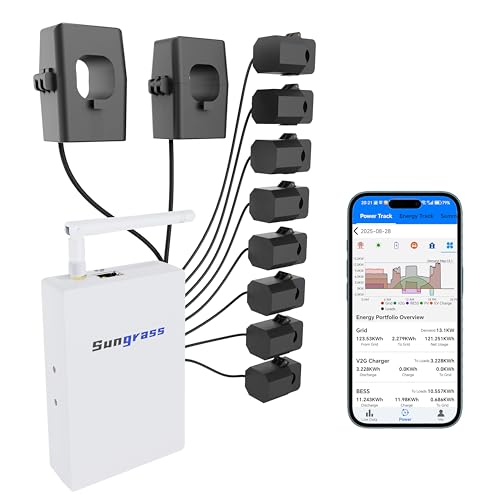
Sungrass Home Energy Monitor-Real Time Electricity Usage Monitor,AI-Powered Energy Monitor,Power Usage Meter, Energy Monitor for Home Assistant,Power Monitor,Circuit Monitor,Electric Use Monitor
- AI-Powered Energy Monitoring: 10 circuit channels with smart analysis
- Real-Time Data & Storage: 1-second updates, 45-day minute data retention
- Comprehensive Energy Reports: Monthly, yearly summaries and detailed analysis
As an affiliate, we earn on qualifying purchases.
As an affiliate, we earn on qualifying purchases.
Conclusion
By embracing AI and data, you can transform urban living into a more efficient and sustainable experience. Imagine a city where traffic flows smoothly because AI predicts congestion and adjusts signals in real-time. This isn’t just a future dream—it’s happening now in places like Barcelona, where smart traffic management reduces emissions and travel times. By leveraging these technologies, you’re helping create cities that are smarter, greener, and more responsive to your needs.

Urban Informatics (The Urban Book Series)
As an affiliate, we earn on qualifying purchases.
As an affiliate, we earn on qualifying purchases.

A History of Participation in Museums and Archives: Traversing Citizen Science and Citizen Humanities
As an affiliate, we earn on qualifying purchases.
As an affiliate, we earn on qualifying purchases.