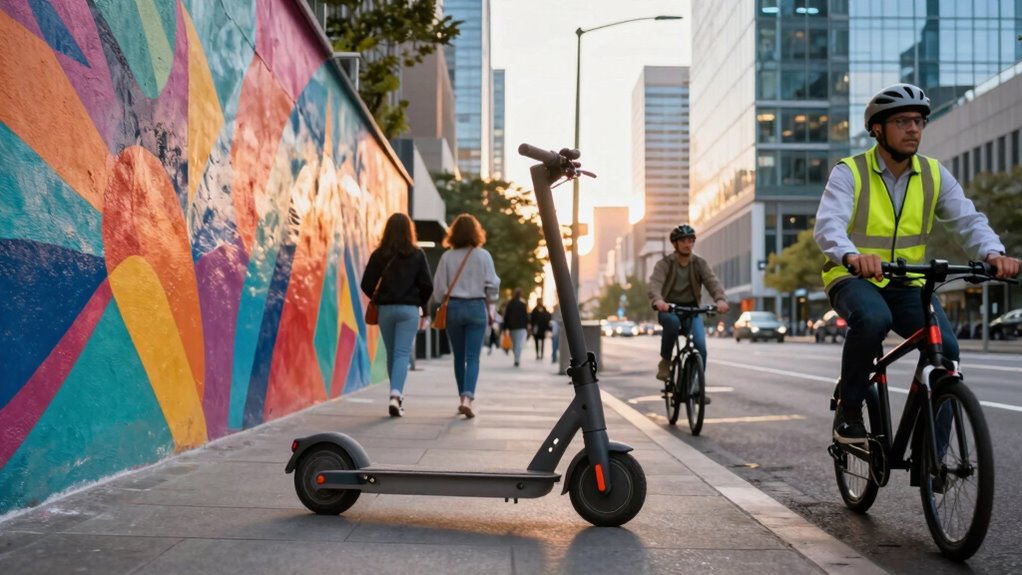

Micromobility is quickly transforming cities into thriving hubs of sustainable transportation and urban innovation. You’ll see how cities are expanding bike lanes, creating dedicated zones, and updating regulations to integrate scooters and e-bikes safely. This shift boosts economic growth, reduces congestion, and promotes eco-friendly travel options. City authorities and entrepreneurs are collaborating closely, making the future of urban mobility more seamless. Keep exploring how these changes are shaping city business stories and the new opportunities they bring.
Key Takeaways
- Micromobility devices are now integral to urban transportation, transforming city mobility and creating new business opportunities.
- Cities are investing in infrastructure and regulations to support micromobility, turning it into a key urban development focus.
- Collaboration between city officials and companies drives innovation, pilot programs, and sustainable growth in micromobility markets.
- Environmental concerns and sustainability practices influence business models and regulatory policies for micromobility providers.
- The evolving infrastructure and regulatory landscape shape the economic success and expansion strategies of micromobility companies.
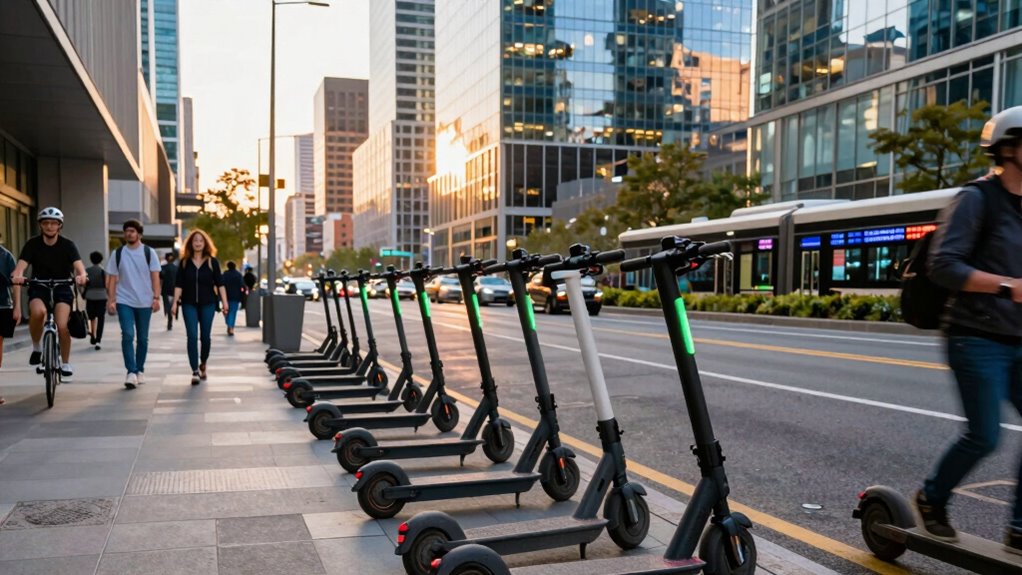
Micromobility has quickly transformed from a niche urban trend into an essential component of city transportation systems. As you observe, scooters, e-bikes, and other small electric vehicles are now common sights on city streets, helping to alleviate congestion and provide convenient, eco-friendly options for short trips. This shift isn’t just about individual convenience; it’s reshaping how cities think about their urban infrastructure. City planners and transportation officials are now challenged to adapt existing infrastructure to accommodate these new modes of transit. You’ll notice that bike lanes are expanding, parking regulations are evolving, and new dedicated zones for micromobility devices are emerging. The goal is to integrate these vehicles safely into the urban fabric without disrupting existing traffic flows or pedestrian zones. This requires significant investment and creative planning, and it’s where micromobility companies and city officials often find themselves at odds, navigating complex regulatory challenges.
Regulatory challenges are perhaps the most visible hurdles in the growth of micromobility. You might see cities struggling to develop clear policies around device deployment, speed limits, and licensing. Some cities impose strict caps on the number of scooters allowed on the streets or require companies to hold expensive permits, which can slow down deployment and limit options for users. Others grapple with issues of safety and liability, pushing for regulations that might restrict where and when these vehicles can operate. These challenges aren’t just bureaucratic; they directly impact how quickly and effectively micromobility can expand within a city. Additionally, the integration of regulatory frameworks is crucial for establishing a sustainable and scalable micromobility ecosystem. Cities are increasingly recognizing the importance of urban planning in accommodating these new transportation options, which helps in creating a balanced and efficient mobility environment. You might also notice that the technology used in these vehicles, such as GPS and sensors, plays a significant role in enabling cities to monitor and manage their deployment effectively. Moreover, understanding the impact of softener brine on environmental sustainability can influence how cities regulate the disposal and maintenance of these vehicles’ components. This is especially relevant as the sustainable disposal of batteries and other parts becomes a growing concern for environmentally conscious cities. For entrepreneurs and investors, navigating these regulatory landscapes can make or break their plans, influencing whether they succeed in establishing a sustainable business. Cities want to promote mobility solutions that are safe, sustainable, and accessible, but balancing those priorities with public safety and existing transportation networks is complex.
Ultimately, the story of micromobility as a city business narrative hinges on how well city officials and entrepreneurs can collaborate to address these urban infrastructure and regulatory challenges. You see cities that are proactive, creating pilot programs and flexible regulations, fostering innovation without compromising safety. Meanwhile, companies that adapt to local rules and work closely with city officials tend to find more success and grow faster. As micromobility continues to evolve, it’s clear that its future as a vital city business depends on smart infrastructure investments and forward-thinking regulation. This dynamic relationship will determine whether micromobility becomes a permanent, beneficial feature of urban life or just a passing trend.
electric scooter for city commuting
As an affiliate, we earn on qualifying purchases.
As an affiliate, we earn on qualifying purchases.
Frequently Asked Questions
How Do Micromobility Policies Vary Across Different Cities?
You’ll notice micromobility policies vary across cities, especially around parking regulations and user accessibility. Some cities offer designated parking zones to reduce clutter, while others lack clear guidelines, making it harder for users to find secure spots. Policies also differ in accessibility features, with some cities prioritizing inclusive design and others lagging behind. These variations directly impact how easily you can rent and park scooters or bikes in each urban area.
What Are the Environmental Impacts of Micromobility Adoption?
Imagine cities breathing easier, their skies clearing as micromobility takes flight. By embracing sustainable transportation, you help cut down your carbon footprint, reducing greenhouse gases that trap heat and harm the environment. Electric scooters and bikes replace car trips, lowering emissions and noise pollution. This shift toward eco-friendly mobility creates cleaner air, healthier communities, and a more vibrant urban landscape, turning city streets into green arteries of progress.
How Do Cities Regulate Safety Standards for Micromobility Devices?
Cities regulate safety standards for micromobility devices by implementing helmet laws and requiring rider training programs. You need to follow helmet laws to guarantee safety, and many cities also mandate rider training to teach proper use and traffic rules. Authorities often set speed limits and define designated riding areas to prevent accidents. Regular inspections and device maintenance are also enforced, helping to keep riders safe and reduce city liabilities.
What Funding Models Support Micromobility Infrastructure Development?
Did you know that over 60% of micromobility projects are funded through innovative financing methods? You can support infrastructure development by leveraging public-private partnerships, where government and private companies share costs and risks. These collaborations enable cities to access funding efficiently, accelerating the deployment of bikes and e-scooters. Embracing innovative financing models, like grants and impact investments, helps guarantee sustainable growth for micromobility networks.
How Does Micromobility Influence Urban Traffic Congestion?
Micromobility reduces urban congestion by offering alternative transportation options, which helps improve traffic flow. When you use e-scooters or bikes, you decrease the number of cars on the road, easing urban congestion during peak hours. This shift encourages a smoother traffic flow, especially in busy city centers, making commutes faster and less stressful. As more people adopt micromobility, cities experience less gridlock and more efficient movement.
As an affiliate, we earn on qualifying purchases.
Conclusion
As you navigate the bustling streets of tomorrow, micromobility isn’t just a trend—it’s a revolution, transforming city life and business alike. Like the first electric car zipping past horse-drawn carriages, this shift sparks hope and innovation. Embrace this future, where small rides pave big opportunities and the city’s heartbeat syncs with your every move. Remember, history is written by those bold enough to ride the wave, even if it’s on a scooter.
city bike lane safety accessories
As an affiliate, we earn on qualifying purchases.
As an affiliate, we earn on qualifying purchases.
micromobility device lock and security
As an affiliate, we earn on qualifying purchases.
As an affiliate, we earn on qualifying purchases.