
The office real estate reset is far from over as your organization adapts to remote work trends and evolving technology. You’ll find that companies are shrinking their footprints or shifting towards flexible, tech-enabled spaces. This ongoing change favors agile layouts, hybrid models, and enhanced amenities. As landlords and businesses continue reimagining workplaces, understanding these shifts is essential. Stick around, and you’ll discover how these trends could shape your workspace strategy moving forward.
Key Takeaways
- The shift toward flexible, smaller office spaces continues as companies adapt to remote work trends and changing occupancy needs.
- Landlords and developers are redesigning office environments to prioritize technology, collaboration, and hybrid work support.
- Many organizations remain hesitant to commit long-term leases, reflecting ongoing uncertainty in the office market.
- Innovative, tech-enabled, and adaptable office layouts are replacing traditional layouts to attract tenants and foster collaboration.
- Continuous reevaluation of space requirements is essential as companies navigate the evolving landscape of work and real estate.
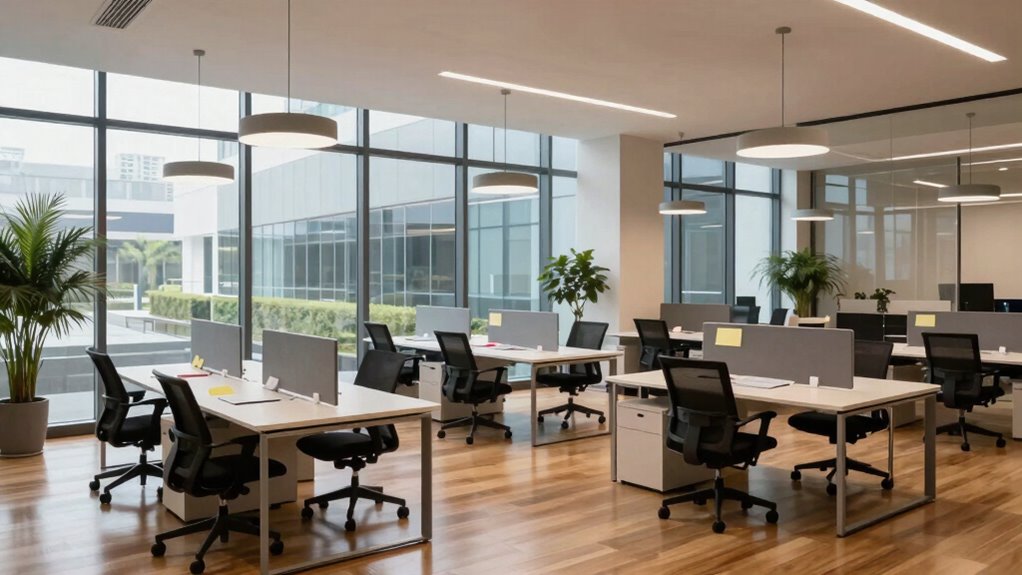
The traditional office real estate model is undergoing a dramatic transformation as companies reevaluate their space needs in the wake of shifting work habits. You’re likely noticing that many organizations are shrinking their footprints or reconsidering how they use physical space altogether. This shift is driven by changing perceptions of corporate occupancy—how much space a company truly needs—and the rise of remote work trends. As more employees work from home, your company might find that maintaining large office spaces no longer makes economic or operational sense.
Remote work trends have played a significant role in reshaping the landscape. You might have seen colleagues or team members operating from various locations, which challenges the traditional notion of a centralized office. This flexibility offers benefits like reduced commuting time and increased work-life balance, but it also prompts businesses to rethink their real estate strategies. If fewer employees are physically present in the office, why commit to long-term leases or large spaces that go underutilized? Instead, you’re likely exploring options for more flexible arrangements—such as shared workspaces, hybrid models, or downsized offices—that better align with current remote work trends. Incorporating smart building technology can further enhance the efficiency and adaptability of these new spaces.
This ongoing reset isn’t just about cutting costs; it’s about optimizing corporate occupancy for a new era. You may discover that a smaller, more agile office can still support collaboration and company culture without the overhead of unused space. Some companies are adopting a hybrid approach, where employees split their time between home and the office, making permanent large office spaces unnecessary. This shift allows your organization to allocate resources more efficiently, investing in technology and amenities that support remote collaboration, rather than maintaining vast physical footprints. The changing perceptions of corporate occupancy are central to this evolution, as businesses recognize the importance of flexible and adaptable environments. Additionally, perceptions of space needs are evolving as organizations prioritize agility and technological integration, which can be facilitated by innovative workspace designs that foster collaboration and innovation.
Furthermore, landlords and real estate developers are responding to these changes by reimagining office spaces. Instead of traditional layouts, you might see more adaptable, technology-enabled environments designed to appeal to a hybrid workforce. These new spaces prioritize flexibility, social interaction, and amenities that attract employees back to the office when needed. As a result, the market is evolving rapidly, with many companies holding off on long-term commitments until they better understand how their space requirements will develop.
In this environment, your company needs to stay agile. You’re likely evaluating your own occupancy strategies, balancing the benefits of remote work with the need for in-person collaboration. The office real estate reset isn’t over; it’s a dynamic process driven by evolving remote work trends and a focus on smarter, more adaptable corporate occupancy. Staying ahead means continuously reevaluating your space needs and embracing flexible solutions that support your business goals in this new normal. Recognizing the importance of technology-enabled environments can help your organization remain competitive and adaptable in this evolving market.

Adjustable Table Student Computer Portable Home Office Furniture Small Spaces Sofa Bedroom Bedside Desk Learn Play Game Desk on Wheels Movable with Storage Table Size 31.5 * 15.7 Inch,White D
Flexible Adjustable Height: The desk size is 31.5 inches long, 15.7 inches wide, and the height can be…
As an affiliate, we earn on qualifying purchases.
As an affiliate, we earn on qualifying purchases.
Frequently Asked Questions
How Will Remote Work Influence Future Office Space Demand?
Remote work will profoundly influence future office space demand, leading you to see a shift toward hybrid models that blend in-office and remote work. You might also find more co-working spaces popping up, offering flexible options for teams and freelancers. This change encourages companies to downsize traditional offices while investing in adaptable, shared environments, ultimately making office space more dynamic and tailored to evolving work needs.
What Are the Most Common Challenges Landlords Face During the Reset?
You face significant challenges during the reset, especially with tenant retention dropping by 15% in many markets. Maintaining occupancy requires addressing tenant needs, which often involves rising maintenance costs—up 20% over the past year. Balancing these expenses while keeping tenants satisfied is tough, but essential. You must innovate amenities, improve building efficiency, and foster strong relationships to navigate these hurdles successfully and guarantee long-term success.
How Are Lease Terms Evolving in the Current Market?
In the current market, lease terms are becoming more flexible to boost tenant retention. You’ll likely see longer or more adaptable lease agreements, accommodating hybrid work models and evolving tenant needs. This shift helps attract and keep tenants by offering lease flexibility that aligns with their changing requirements. As a landlord, embracing these adjustments can enhance occupancy rates and foster stronger, lasting tenant relationships amidst ongoing market fluctuations.
What Impact Does Urban Versus Suburban Office Space Have?
You’ll find that urban density often fosters vibrant collaboration and ease of access, making it attractive for many companies. Meanwhile, suburban expansion offers more space and flexibility, appealing to those seeking a quieter environment. Both have their perks, but understanding how urban versus suburban office space impacts your operations helps you choose the best fit. Balancing the lively energy of city centers with the calm of suburbs can optimize your workplace strategy effectively.
Are There Emerging Trends in Office Building Design Post-Reset?
You’ll notice emerging trends in office building design focus on office sustainability and building automation. You can expect more eco-friendly materials, energy-efficient systems, and smarter building controls that enhance comfort and reduce costs. These innovations support healthier, more adaptable workspaces. As you explore new office spaces, look for features like automated lighting, climate control, and sustainable designs, all aimed at creating a more resilient, environmentally conscious work environment.

Advanced Technology for Smart Buildings
As an affiliate, we earn on qualifying purchases.
As an affiliate, we earn on qualifying purchases.
Conclusion
Just like a garden that’s been replanted after a storm, the office real estate market is still finding its new shape. Remember when a major company shifted to remote work, and suddenly, empty offices felt like abandoned ships? That shift isn’t over. The reset is ongoing, and you’ll want to stay adaptable. Like tending a garden, success comes from patience and readiness to nurture what grows next. The future’s still taking root.

Learniture Structure Series 35-Inch Collaborative Dry-Erase Activity Table, Bow-Tie Mobile Collaborative Table with Whiteboard Top, Silver Mist Legs, 35.5” W x 23.75” D x 20"-30" H
MODERN MULTIFUNCTION TABLE: Learniture Structure Series Bow Tie Mobile Collaborative Table is great for group or individual workspace…
As an affiliate, we earn on qualifying purchases.
As an affiliate, we earn on qualifying purchases.
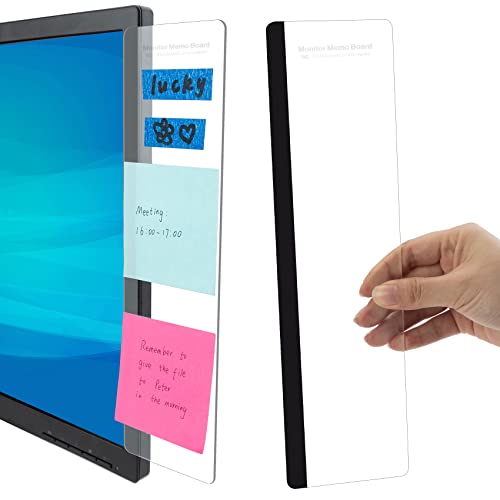
MDOZQ Office Desk Accessories 2pcs Computer Monitor Memo Board Message Board Supplies for Women Men Sticky Note Holder Home Desktop Decor
[MULTIFUNCTIONAL]You'll get 2 pieces computer monitor memo boards that you can stick on the left and right edges…
As an affiliate, we earn on qualifying purchases.
As an affiliate, we earn on qualifying purchases.