
You see, political tensions around AI regulation come from countries competing for leadership while trying to balance safety with innovation. Different cultural values and economic priorities lead to conflicting rules, making international cooperation tough. Some nations favor strict controls, while others push for looser guidelines. These disagreements can fuel tensions and challenge global standards. If you keep exploring, you’ll uncover how these disagreements shape the future of AI governance and the efforts to address them.

Get the latest gadgets delivered free with Prime
- Fast, free delivery on millions of items
- Prime Video, Amazon Music and more included
- Member-only deals all year
Key Takeaways
- Countries compete for AI leadership, risking conflicts over regulatory standards and technological dominance.
- Divergent national values lead to inconsistent AI regulations, heightening international tensions.
- Efforts for global harmonization face challenges due to differing cultural, economic, and political priorities.
- Political debates focus on balancing innovation with ethical concerns like bias, privacy, and safety.
- International cooperation is crucial but difficult amid rising nationalism and differing visions of AI regulation.
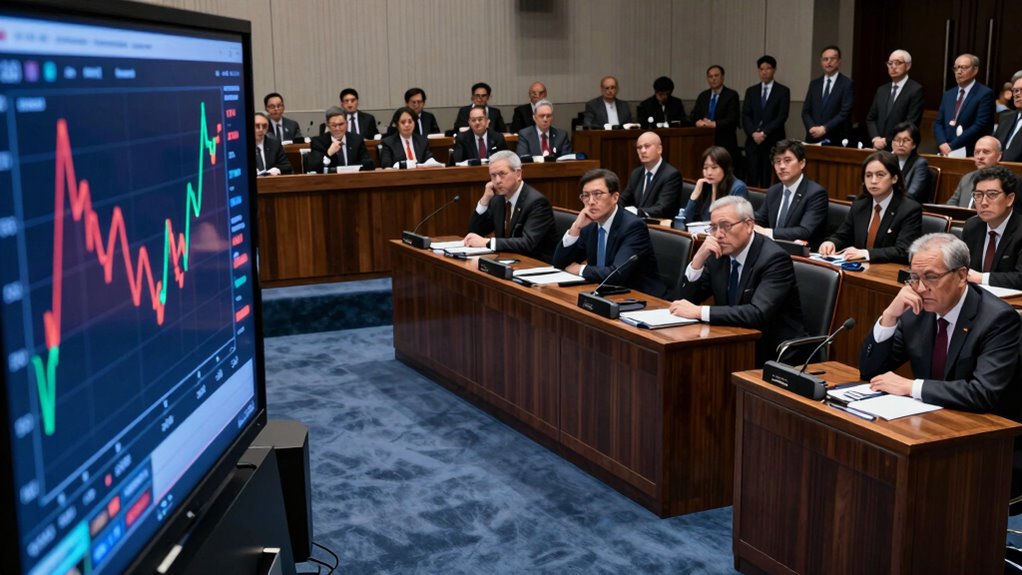
As AI technology rapidly advances, tensions around how to regulate it are intensifying. You’re caught in a landscape where policymakers, tech companies, and advocacy groups grapple with defining the boundaries of responsible AI use. At the heart of these debates are ethical dilemmas—questions about bias, privacy, accountability, and the potential for harm. These dilemmas challenge regulators to craft rules that protect individuals without stifling innovation. The stakes are high, because poorly designed regulatory frameworks could either leave the door open for abuse or hinder technological progress that benefits society. Your role, whether as a developer, policymaker, or concerned citizen, is vital in shaping the future of AI governance.
Balancing innovation and safety is crucial in shaping responsible AI regulations that protect society and foster progress.
Regulatory frameworks are supposed to provide clarity and consistency in managing AI’s rapid evolution. Yet, creating such frameworks isn’t straightforward. Different countries view AI regulation through contrasting lenses, reflecting diverse cultural values and economic priorities. Some prioritize strict controls to prevent misuse, while others favor looser guidelines to foster innovation. This divergence fuels political tensions, as nations compete to establish leadership in AI development without compromising safety or ethics. You might see this as a tug-of-war, where the desire for technological dominance clashes with the need for responsible oversight. As these frameworks are debated and drafted, questions about enforceability and international cooperation come to the forefront, adding layers of complexity. Additionally, the challenge of international cooperation becomes increasingly vital as AI systems operate across borders, making global standards more essential. A harmonized regulatory approach could help address these issues more effectively, especially given the global nature of AI advancements and the importance of standardization in fostering cooperation. Furthermore, understanding the cultural differences in perceptions of AI safety and ethics can be crucial to developing inclusive and effective regulations.
In this environment, ethical dilemmas serve as a guiding, yet challenging, backdrop. You’re faced with balancing progress against potential risks—such as AI systems making biased decisions or invading privacy. Regulators must consider whether existing laws are enough or if new standards are necessary to align AI with societal values. This often involves difficult trade-offs: for example, whether to prioritize innovation or caution, or how to hold developers accountable when AI causes harm. These dilemmas are not just theoretical—they impact real lives, shaping the ways AI interacts with employment, healthcare, security, and personal freedoms. The debate influences how strict or flexible regulations become, ultimately defining the future landscape of AI use.
As tensions grow, the push for all-encompassing, adaptable regulatory frameworks intensifies. You’re part of a broader conversation that seeks to strike the right balance—protecting society while fostering technological progress. Ethical dilemmas will continue to challenge policymakers, but your voice and awareness can help steer this complex process toward solutions that prioritize human rights, fairness, and safety. The outcome depends on collective efforts to navigate the political tensions and craft regulations that are both effective and morally sound.
AI regulation compliance software
As an affiliate, we earn on qualifying purchases.
As an affiliate, we earn on qualifying purchases.
Frequently Asked Questions
How Do Different Countries’ AI Regulations Compare Globally?
You’ll notice that countries’ AI regulations vary widely, reflecting their unique priorities. Some, like the EU, emphasize strict global compliance and robust data privacy standards, while others prioritize innovation through more lenient sovereign policies. This patchwork impacts international collaboration and AI development, forcing companies to navigate differing legal landscapes. Ultimately, understanding these differences helps you stay compliant and adapt strategies to meet each country’s specific regulatory expectations.
What Are the Economic Impacts of AI Regulation on Startups?
AI regulation can slow down market innovation for startups, making it harder for you to develop new products quickly. It may also lead to funding challenges, as investors become wary of regulatory risks and increased compliance costs. These factors can limit your growth and competitiveness in the AI space. While regulation aims to ensure safety, it’s essential for policymakers to balance it so startups like yours can still thrive and innovate.
How Do AI Regulations Affect Innovation in Tech Industries?
Oh, joy—AI regulations, the ultimate innovation barrier! As you try to push the boundaries of tech, privacy concerns and red tape slow you down, making every breakthrough feel like wading through molasses. Instead of racing ahead, you’re caught in a maze of compliance, hampering your creative spark. So, while regulations aim to protect, they often stifle progress, turning groundbreaking ideas into distant dreams.
What Role Do International Organizations Play in AI Regulation?
International organizations play a vital role in AI regulation by fostering global cooperation and setting ethical standards. They develop guidelines that promote responsible AI development and guarantee countries work together to address shared challenges. Your participation in these efforts helps create consistent policies, encourages innovation, and maintains ethical integrity worldwide. These organizations serve as neutral platforms where nations can align their AI regulations, ultimately supporting safe and equitable technological progress.
How Are AI Ethics Integrated Into Regulatory Frameworks?
Imagine a lighthouse guiding ships safely through stormy seas—that’s how AI ethics shape regulation. You incorporate ethical considerations by embedding transparency standards into frameworks, ensuring AI systems are understandable and accountable. This symbolic beacon helps policymakers navigate complex moral waters, fostering trust and safety. By aligning regulations with core ethical principles, you create a clear path for responsible AI development, safeguarding societal values amidst rapid technological advancements.
AI ethics and safety guidelines book
As an affiliate, we earn on qualifying purchases.
As an affiliate, we earn on qualifying purchases.
Conclusion
As the debate over AI regulation heats up, it’s clear you’re caught in a storm of conflicting interests. The path forward is like walking a tightrope—balancing innovation with safety, progress with caution. If you want to shape a future where AI benefits everyone, you’ll need to stay informed, advocate for thoughtful policies, and navigate these tensions like a skilled sailor steering through turbulent seas. The horizon depends on how you respond today.
As an affiliate, we earn on qualifying purchases.
As an affiliate, we earn on qualifying purchases.
Halloween Picks
halloween
As an affiliate, we earn on qualifying purchases.