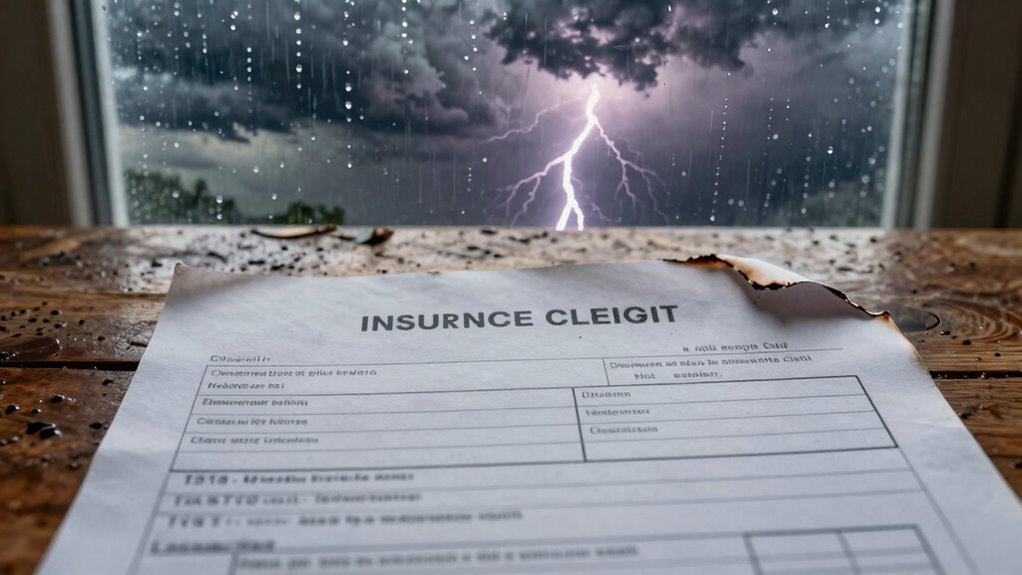

Insurance withdrawals are becoming a climate news story because rising climate risks make it harder for insurers to operate in vulnerable regions. They’re pulling out due to increased disaster claims from floods, wildfires, and hurricanes, which threaten profits. Governments try to promote resilience, but policy effects take time, leaving communities exposed. As insurers withdraw, property values drop, and local economies suffer. Stay tuned to see how these changes shape the future of climate action and risk management.

Get the latest gadgets delivered free with Prime
- Fast, free delivery on millions of items
- Prime Video, Amazon Music and more included
- Member-only deals all year
Key Takeaways
- Insurers are withdrawing from high-risk climate-affected regions due to escalating disaster claims and financial losses.
- Increased frequency and severity of natural disasters linked to climate change drive insurance market shifts.
- Policy delays in climate mitigation worsen risks, prompting insurers to reassess market viability.
- Withdrawal reduces coverage availability, threatening community resilience and economic stability.
- Technological advances and climate policies influence future risk assessments and insurance decision-making.
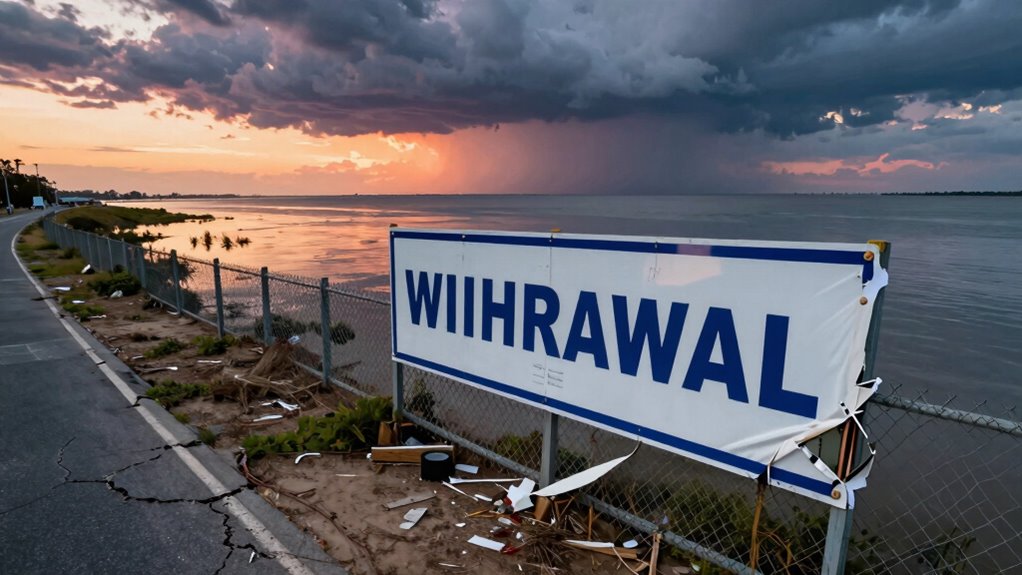
Are insurance companies pulling out of regions increasingly threatened by climate change? This question highlights a growing concern as insurers reevaluate their exposure to areas vulnerable to severe weather events. Climate risk has become a major factor in their decision-making process, forcing insurers to reconsider where they can sustainably operate. When climate change intensifies, it raises the potential for more frequent and devastating natural disasters—floods, wildfires, hurricanes—that threaten both property and lives. As a result, insurance companies are increasingly hesitant to write new policies or renew existing ones in high-risk zones, fearing mounting claims they might not be able to cover.
This withdrawal isn’t happening in isolation; it’s a direct consequence of the policy impact surrounding climate change. Governments around the world are implementing policies aimed at reducing emissions and encouraging resilience, but these measures often take time to translate into tangible risk reductions. In the meantime, insurers are faced with the immediate reality of rising climate risk, which makes insuring certain regions seem financially unsustainable. Some insurers are preemptively pulling back, citing the rising costs of disaster claims and the unpredictability of future risks. They’re fundamentally saying that the financial burden of insuring these areas outweighs potential profits, especially when climate models project worsening conditions.
The implications of such withdrawals extend beyond individual companies. When insurers exit markets or dramatically tighten their policies, it can trigger a domino effect. Homeowners and businesses in these regions may find it increasingly difficult or impossible to obtain coverage, leaving them vulnerable and potentially unprotected against climate impacts. This, in turn, affects local economies, property values, and community resilience. Governments and policymakers are now under pressure to address this shift because the policy impact isn’t just economic—it’s also social and environmental. They’re called upon to find ways to encourage sustainable development, improve infrastructure, and create incentives for resilience, all of which can influence insurance markets.
Inherently, the story of insurance withdrawals is intertwined with the broader narrative of climate risk and policy impact. Insurers’ decisions reflect their assessments of long-term viability amid rising threats, while policymakers’ actions can shape future climate resilience. As the climate crisis deepens, expect these dynamics to grow more complex, making insurance withdrawals a key story in understanding the broader implications of climate change on society’s financial security and stability. Additionally, advances in smart home technology could play a role in mitigating some risks and influencing future insurance policies.
As an affiliate, we earn on qualifying purchases.
Frequently Asked Questions
How Do Insurance Withdrawals Impact Local Communities’ Recovery Efforts?
When insurance withdrawals occur, you might find local communities struggle with recovery efforts because they lose essential financial support. This impacts community resilience, making it harder to rebuild and adapt. As risk perception increases, residents may feel more vulnerable, slowing progress. Without insurance backing, communities face tougher challenges, which can delay recovery and weaken overall resilience against future climate events.
What Are the Long-Term Economic Effects of Insurance Withdrawal Decisions?
When insurance companies withdraw coverage, your community faces long-term economic effects like increased property costs and decreased investment. For example, risk assessment becomes more challenging for insurers, leading to stricter policies and higher premiums. These policy implications discourage new development and can cause property values to plummet. Over time, this creates a cycle of economic decline, making recovery harder and increasing vulnerability to future climate-related damages.
How Do Insurance Companies Assess Climate Risks Before Withdrawal?
You might wonder how insurance companies assess climate risks before withdrawing. They conduct risk assessments by analyzing climate data, historical loss patterns, and potential future impacts. Underwriting policies guide their decisions, helping them evaluate the financial viability of insuring certain areas or sectors. This thorough process guarantees they understand climate-related threats, enabling them to make informed choices about whether to continue coverage or withdraw, protecting their financial stability.
Are There Legal Challenges Faced by Insurers When Withdrawing Coverage?
Imagine you’re in the 19th century, facing legal disputes over a sudden withdrawal of coverage. Insurers often encounter legal challenges, including regulatory hurdles and disputes over breach of contract. These legal issues can delay or complicate the withdrawal process, as regulators and policyholders push back. Insurers must navigate complex legal terrains to guarantee their withdrawals comply with existing laws, making legal disputes a common hurdle in climate-related coverage exits.
How Do Insurance Withdrawals Influence Climate Change Adaptation Strategies?
Insurance withdrawals impact your climate change adaptation strategies by forcing you to reassess risks and develop new plans. When insurers pull coverage, you must enhance risk assessment methods and explore alternative solutions to protect assets. These policy implications prompt you to invest in resilient infrastructure and diversify risk management approaches, ultimately encouraging proactive adaptation measures. This shift emphasizes the importance of local resilience and innovative strategies in facing climate-related challenges.
As an affiliate, we earn on qualifying purchases.
Conclusion
You see, as climate change causes more severe disasters, insurance companies are pulling back, making headlines. This isn’t just about money—it’s a clear sign of increasing risks and changing realities. Imagine a picture of a sinking boat; it symbolizes how rising costs and climate impacts threaten the stability of insurance coverage. By understanding this, you realize that protecting our future means addressing climate change now, or we’ll all be steering rough waters ahead.
As an affiliate, we earn on qualifying purchases.
As an affiliate, we earn on qualifying purchases.
Fall Picks
fall essentials
As an affiliate, we earn on qualifying purchases.