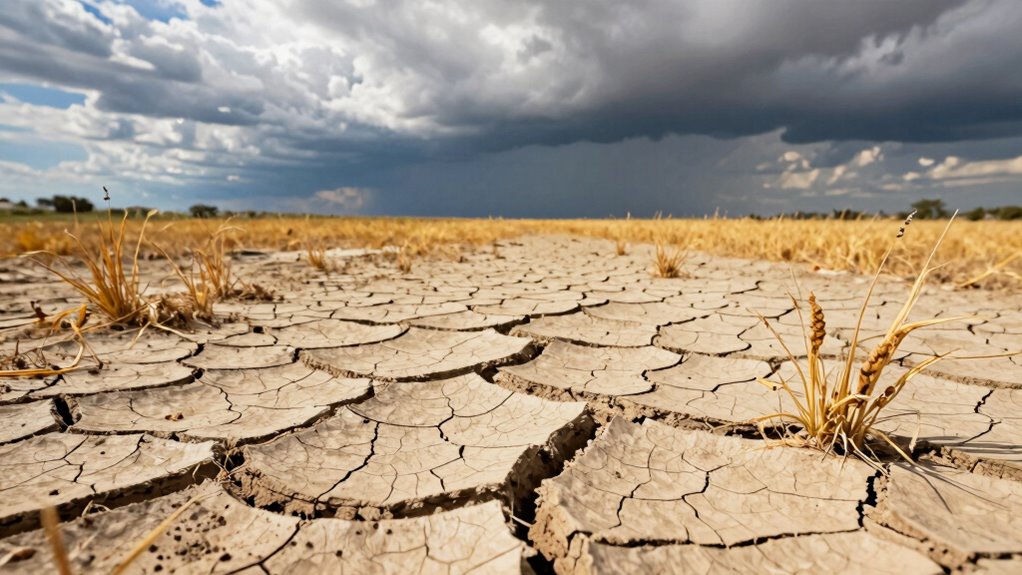

Weather events are increasingly driving food price shocks, not just conflicts. Extreme climate disruptions hurt crop yields, impact livestock health, and disrupt supply chains. These shocks make food less affordable and threaten global food security. By adopting climate-smart practices and supporting resilient infrastructure, farmers can better withstand weather challenges. If you want to understand how these climate factors impact food prices and what actions are needed, there’s much more to uncover.
Key Takeaways
- Climate disruptions increasingly threaten crop yields and supply chains, driving food prices higher without geopolitical conflicts.
- Extreme weather events cause harvest failures, leading to immediate price spikes and reduced food affordability.
- Weather-related shocks undermine global food security more unpredictably than traditional war-related disruptions.
- Investing in climate-smart agriculture and resilient infrastructure can mitigate weather-induced food price shocks.
- Consumer support for sustainable practices and policies enhances resilience against climate-driven food price volatility.
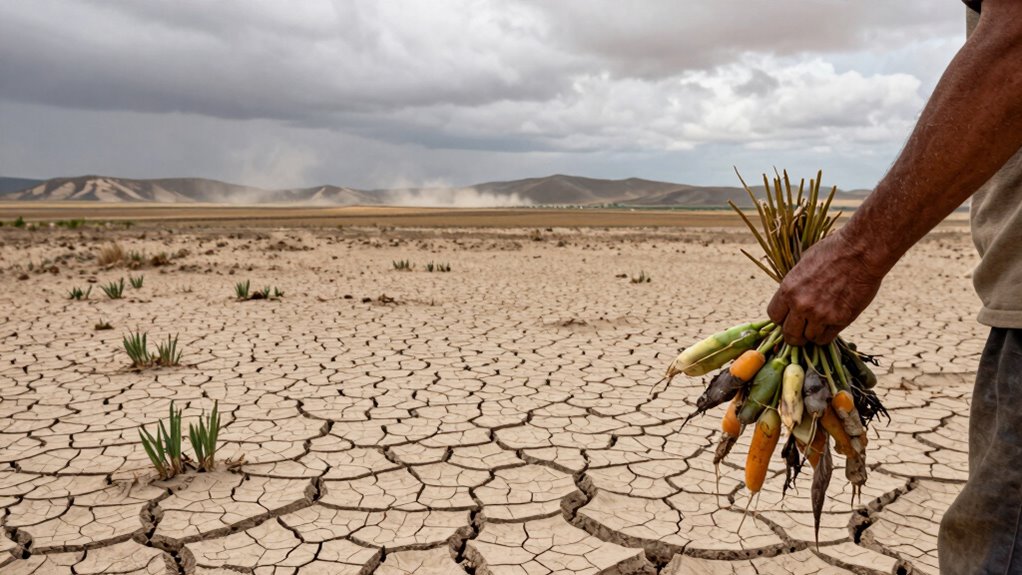
Recent weather events have triggered a sharp rise in food prices, catching consumers and farmers off guard. These unpredictable shifts in climate patterns underscore the urgent need to focus on agricultural sustainability and climate resilience. As droughts, floods, and storms become more frequent and severe, the stability of our food systems hangs in the balance. You might not immediately see the connection, but these weather disruptions directly impact crop yields, livestock health, and the overall supply chain. When harvests fail or are delayed, prices spike, and food becomes less affordable for everyone. This cycle isn’t just a matter of economics; it’s a threat to food security worldwide.
To tackle this, you need to understand that building resilience into agriculture is essential. It’s not enough to rely on traditional farming methods that are vulnerable to extreme weather. Instead, farmers and policymakers are now emphasizing agricultural sustainability—practices that protect the environment while maintaining productivity. Techniques like crop diversification, soil conservation, and water management help farms withstand climate shocks. When farms are resilient, they can produce food more consistently, even under adverse conditions. This resilience isn’t just about adapting to change; it’s about proactively creating systems that can thrive despite it, ensuring that food prices don’t skyrocket when weather events intensify. Additionally, integrating climate-smart practices can help optimize resource use and reduce vulnerability to weather extremes. Recognizing the importance of agricultural resilience is crucial for creating a more stable food future.
Furthermore, investments in climate-resilient infrastructure are vital for safeguarding food supply chains from extreme weather impacts. You also play a role in supporting these efforts. By choosing sustainably produced foods and advocating for policies that prioritize climate resilience, you help shift the agricultural landscape. Consumers have the power to influence farming practices by demanding transparency and sustainability. When farmers adopt climate-smart techniques, they reduce environmental impact and improve their ability to cope with future weather challenges. This creates a more stable food supply, which benefits everyone—farmers, consumers, and the planet alike. Understanding how climate variability directly impacts agriculture helps emphasize the importance of proactive adaptation strategies.
The rising cost of food isn’t solely driven by weather; it’s a warning sign of deeper vulnerabilities in how we produce and distribute food. Developing resilience and promoting sustainable agricultural practices are essential steps toward avoiding future price shocks. Investing in climate-resilient infrastructure, encouraging research into drought-resistant crops, and supporting local food systems can all contribute to a more stable, affordable food supply. So, as weather patterns grow more unpredictable, your awareness and actions become imperative. By understanding the importance of agricultural sustainability and climate resilience, you can help create a future where food remains accessible, despite the challenges posed by an increasingly volatile climate.

Circular Agriculture as a Climate-Smart Tool for Circular Economies: The Role of Stakeholders and Hierarchical Implementation Models as Drivers
As an affiliate, we earn on qualifying purchases.
As an affiliate, we earn on qualifying purchases.
Frequently Asked Questions
How Do Weather Patterns Specifically Impact Global Food Supply Chains?
You see weather patterns directly impact global food supply chains by causing crop failures or delays. Climate modeling helps predict these extreme weather events, enabling you to prepare better. By practicing crop diversification, you reduce dependency on single crops, making your supply chain more resilient to weather disruptions. Together, understanding climate models and diversifying crops help you minimize risks and maintain stable food production despite unpredictable weather conditions.
Can Technological Advances Mitigate Weather-Related Food Shortages Effectively?
Yes, technological advances can effectively mitigate weather-related food shortages. Think of agricultural innovation as your weather-proof umbrella—climate adaptation tools like drought-resistant crops and precision farming help shield crops from unpredictable weather. For instance, smarter irrigation systems have increased yields during droughts. These innovations empower farmers to adapt quickly, ensuring food security even when climate challenges strike, much like a well-designed umbrella keeps you dry in a storm.
What Regions Are Most Vulnerable to Weather-Induced Food Price Shocks?
You should watch regions experiencing climate migration, as they’re most vulnerable to weather-induced food price shocks. Areas heavily dependent on single crops and lacking crop diversification face higher risks. These vulnerable regions often see farmers losing livelihoods to changing weather patterns, prompting migration. Promoting crop diversification and resilience strategies can help mitigate these shocks, but if you’re in such areas, staying adaptable and supporting sustainable practices becomes essential to protect food security.
How Do Farmers Adapt to Unpredictable Weather Conditions for Crop Resilience?
Like a sailor steering stormy seas, you adapt to unpredictable weather through farmer innovation and crop diversification. You experiment with resilient crop varieties and adjust planting schedules, turning challenges into opportunities. By diversifying crops, you create a safety net, shielding your harvest from weather’s whims. This proactive approach strengthens your farm’s resilience, ensuring steady yields despite nature’s unpredictable temperament.
What Role Do Government Policies Play in Weather-Related Food Crisis Prevention?
You see, government policies play a vital role in weather-related food crisis prevention through policy incentives and market interventions. These incentives encourage farmers to adopt climate-resilient practices, while market interventions help stabilize food prices and guarantee supply during extreme weather events. By proactively supporting sustainable farming and regulating markets, governments can reduce vulnerability, mitigate shortages, and prevent severe food price shocks caused by unpredictable weather conditions.

Cultivating During Wartime: Knowledge and Resilience of the World (Agriculture and war Book 1)
As an affiliate, we earn on qualifying purchases.
As an affiliate, we earn on qualifying purchases.
Conclusion
You might worry about distant conflicts driving food prices, but the real threat could come from unpredictable weather, quietly disrupting crops. While war makes headlines and sparks fears, it’s the silent, relentless shifts in climate that threaten your stability and future. As storms and droughts grow more severe, they remind us that nature’s power can be more devastating than any conflict, leaving you vulnerable in ways you never imagined. Protect your future now, before the next shock hits.
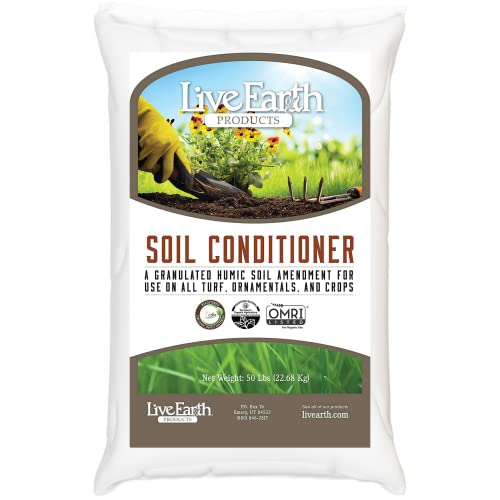
Live Earth Products' Humate Soil Conditioner – 50 lb Bag
- Product Type: Humate Soil Conditioner
- Weight: 50 lb Bag
- Organic Composition: Rich in fulvic and humic acids
As an affiliate, we earn on qualifying purchases.
As an affiliate, we earn on qualifying purchases.

Water for Any Farm: Applying Restoration Agriculture Water Management Methods on Your Farm
As an affiliate, we earn on qualifying purchases.
As an affiliate, we earn on qualifying purchases.