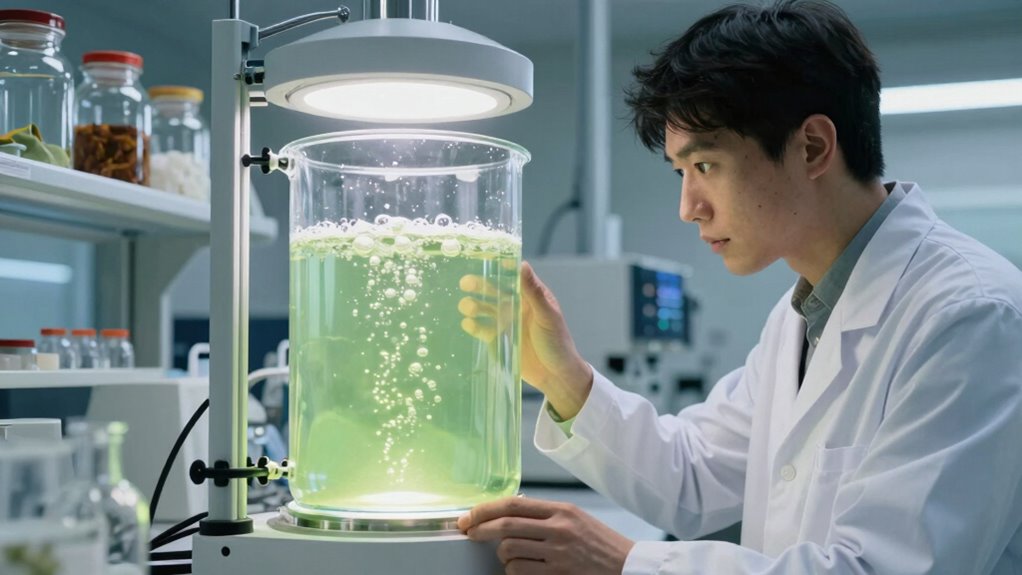

Precision fermentation can transform the food system by making production more sustainable, efficient, and tailored to your needs. It reduces reliance on traditional farming, cutting water, land, and greenhouse gas emissions, while enabling animal-free alternatives. This technology allows for lower costs and customized nutritional profiles, leading to more eco-friendly and accessible foods. If you want to see how this innovative process could reshape your food choices and the planet, keep exploring the possibilities ahead.

Get the latest gadgets delivered free with Prime
- Fast, free delivery on millions of items
- Prime Video, Amazon Music and more included
- Member-only deals all year
Key Takeaways
- It enables sustainable, resource-efficient production of high-quality ingredients, reducing reliance on traditional agriculture and livestock.
- It allows for customization of food nutrients and flavors to meet specific dietary and health needs.
- It minimizes environmental impacts by lowering greenhouse gas emissions, land use, and water consumption.
- It supports localized, scalable manufacturing, transforming supply chains and reducing food waste.
- It fosters innovation in creating plant-based and lab-grown foods that are more sustainable and nutritious.

Fermentation plays a vital role in shaping our food system by transforming raw ingredients into flavorful, nutritious products. With advances in biotechnology innovations, the potential of fermentation goes far beyond traditional methods. Precision fermentation, in particular, leverages cutting-edge science to produce specific ingredients and foods with remarkable efficiency. This technology uses engineered microbes to synthesize proteins, fats, and other compounds that were once difficult or impossible to obtain sustainably. By doing so, it offers a pathway toward a more resilient and environmentally friendly food system.
As you explore the benefits of precision fermentation, you’ll see how it aligns with the goals of sustainable agriculture. Conventional farming practices often demand large quantities of land, water, and energy, contributing to environmental degradation. Precision fermentation reduces this burden by producing food components in controlled environments, using fewer resources and generating less waste. It allows for the creation of animal-free dairy, meat, and other animal-derived products without the need for raising livestock, which considerably cuts greenhouse gas emissions and land use. This shift not only helps combat climate change but also supports biodiversity by decreasing the need for monoculture farming and deforestation.
You might notice how biotechnology innovations are transforming the way food is made, making it possible to produce high-quality ingredients at scale with precision and efficiency. For instance, microbes can be programmed to produce proteins that match or surpass the nutritional profile of traditional animal products. This means you could soon enjoy plant-based or lab-grown alternatives that taste just as good, if not better, than their conventional counterparts. The efficiency of precision fermentation could also lead to lower costs, making sustainable, innovative foods more accessible to everyone.
Moreover, this technology opens doors for customization. You could see foods tailored to specific dietary needs, preferences, or health conditions, all produced through precise microbial processes. It’s a way to meet diverse nutritional demands without overextending the planet’s resources. As you consider the future of food, you’ll realize how much precision fermentation could reshape supply chains, reduce waste, and promote sustainability across agriculture and food production. Additionally, advances in biotechnology innovations are expanding the possibilities for sustainable food development and eco-friendly disposal methods, such as recycling pots and pans or addressing warp issues. This ongoing innovation can also improve the resource efficiency of food manufacturing processes, further reducing environmental impact. Furthermore, the integration of advanced biotechnologies is enabling more precise control over microbial processes, leading to even more sustainable outcomes.
In the end, this approach isn’t just about creating new foods; it’s about rethinking the entire food system to be more efficient, environmentally friendly, and resilient. By harnessing biotechnology innovations, you’re looking at a future where sustainable agriculture and innovative fermentation techniques work hand in hand to feed a growing global population while protecting the planet.
As an affiliate, we earn on qualifying purchases.
Frequently Asked Questions
How Does Precision Fermentation Impact Traditional Farming Jobs?
Precision fermentation can lead to labor displacement in traditional farming, as fewer workers are needed to produce certain ingredients. However, you can adapt by developing new skills related to biotech and fermentation processes. This shift might reduce some manual jobs but also opens opportunities for roles in research, technology, and quality control. Embracing these changes allows you to stay relevant in a transforming food industry, balancing job loss with skill development.
Are There Any Health Risks Associated With Precision Fermentation Foods?
You might wonder if precision fermentation foods pose health risks. While they’re generally considered safe, you should be aware of potential nutritional risks, like nutrient gaps if these foods replace traditional sources. Allergen concerns also exist, especially if specific proteins or additives trigger allergies. Always check labels and consult health professionals if you have sensitivities. Overall, ongoing research aims to guarantee these foods are safe and nutritious for everyone.
Can Precision Fermentation Produce All Types of Animal-Based Products?
Yes, precision fermentation can produce many types of animal-based products, such as dairy, meat, and eggs, by creating synthetic proteins that mimic those found in animals. This technology offers a way to address ethical considerations by reducing animal suffering and environmental impact. While it’s promising, you should stay informed about ongoing developments, as some products may still be in experimental stages or face regulatory hurdles.
What Are the Costs Involved in Scaling up Precision Fermentation?
Think of scaling precision fermentation as building a bridge to new culinary horizons. You’ll face significant costs, including thorough cost analysis and hefty infrastructure investments to guarantee production efficiency. These expenses cover advanced bioreactors, quality control, and skilled labor. While initial investments are high, they pave the way for large-scale, sustainable production. With strategic planning, you can reduce costs over time and open the potential to transform our food system.
How Does Precision Fermentation Affect Biodiversity in Agriculture?
Precision fermentation can positively impact biodiversity conservation by reducing the need for large-scale monoculture farming, which often harms ecosystem balance. You might find that it helps preserve native plant and animal species by lowering land use and chemical inputs, consequently maintaining diverse ecosystems. This technology enables you to produce sustainable ingredients with less environmental disruption, supporting a healthier, more balanced agricultural landscape that benefits biodiversity overall.
As an affiliate, we earn on qualifying purchases.
Conclusion
As you consider the future of food, it’s almost poetic how precision fermentation, once a niche science, now quietly holds the power to transform our entire system. Just as you might stumble upon a new recipe or a surprising ingredient, this innovation could unexpectedly redefine what’s on your plate. It’s a reminder that sometimes, the smallest breakthroughs—like a single fermentation process—can coincide with a better, more sustainable world.
sustainable fermentation starter cultures
As an affiliate, we earn on qualifying purchases.
As an affiliate, we earn on qualifying purchases.
customized nutritional supplement powders
As an affiliate, we earn on qualifying purchases.
As an affiliate, we earn on qualifying purchases.
Halloween Picks
halloween
As an affiliate, we earn on qualifying purchases.