
Water scarcity is increasingly threatening global stability because it triggers social unrest, disputes, and even conflicts over limited resources. You’ll see governments under pressure to find quick fixes, which can worsen long-term issues, leading to protests and violence. International tensions rise as countries compete for transboundary water sources, risking regional instability. If you continue exploring, you’ll discover how sustainable management and cooperation are key to preventing these escalating crises.

Get the latest gadgets delivered free — and shop member deals
- Fast, free delivery on millions of items
- Access to Prime Big Deal Days deals on October 6–7
- Prime Video, Amazon Music and more included
Key Takeaways
- Water scarcity threatens regional stability by increasing tensions and conflicts over limited resources.
- Poor water management and infrastructure exacerbate social unrest and political instability.
- Transboundary water disputes can escalate into international conflicts, risking broader geopolitical tensions.
- Short-term solutions often worsen long-term stability issues, highlighting governance and resource management challenges.
- Ensuring sustainable water practices is critical for long-term peace and avoiding resource-driven crises.
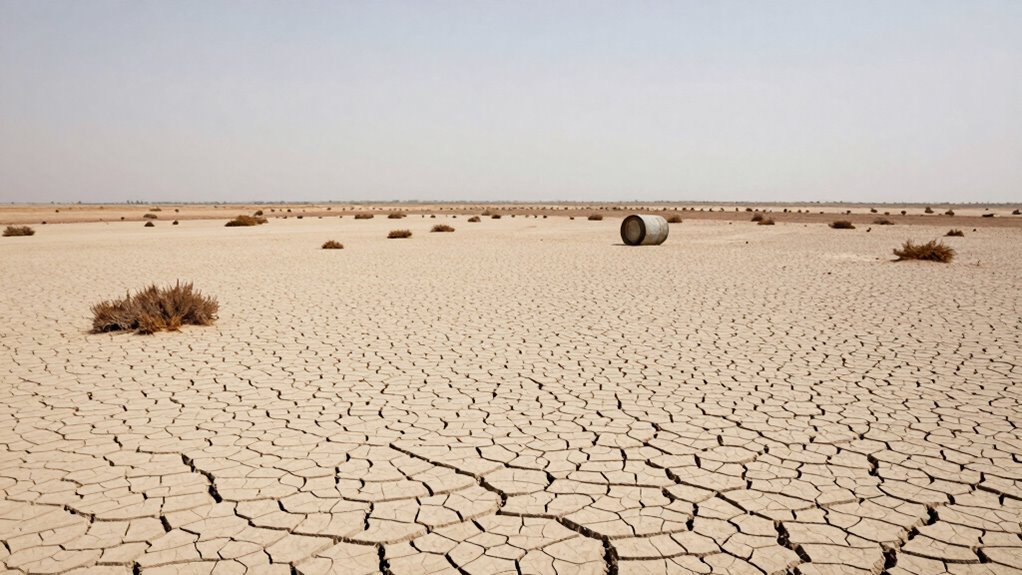
Water scarcity is increasingly threatening global stability, as rising populations and climate change intensify shortages of this essential resource. When water becomes scarce, it doesn’t just mean you might have to cut back on your daily use; it triggers a cascade of challenges that ripple through societies and governments alike. Effective water management becomes more critical than ever, as nations scramble to allocate limited supplies fairly and sustainably. Without sound strategies, water shortages can escalate from a local issue into a widespread crisis, fueling tensions among communities, regions, and even countries. You may not realize it, but poor water management can undermine economic development, destabilize governments, and ignite conflicts over what little water remains. Countries that fail to implement robust policies risk falling behind in addressing both current shortages and future demands.
The political impact of water scarcity is profound. When water supplies dwindle, governments face intense pressure to find solutions quickly. In some cases, leaders might prioritize short-term fixes that only mask the problem, but this approach often worsens long-term stability. Scarcity can lead to protests, social unrest, and even violence, especially in areas where water is essential for agriculture, industry, and daily life. Political leaders must navigate these tensions carefully, balancing resource allocation with diplomacy, often turning to international cooperation or conflict. If a country’s water management policies falter, it can lose public trust, weaken its authority, and become embroiled in disputes with neighbors over transboundary water sources. These disputes aren’t just about water; they threaten regional stability and can escalate into broader conflicts if left unresolved. Moreover, investing in 4K resolution and HDR support in projectors can be seen as a metaphor for the importance of clarity and precision in managing critical resources like water. Additionally, adopting innovative technologies and strategies can help optimize water use and mitigate some of these challenges.
Furthermore, water scarcity can influence national security strategies. Governments may adopt aggressive policies to secure water sources, including infrastructure projects or even military interventions. Such actions heighten geopolitical risks, especially when water sources cross borders. In many cases, water scarcity exposes underlying issues like corruption, poor governance, or lack of investment in infrastructure, compounding political instability. The challenge lies in fostering cooperation and developing sustainable water management practices that can withstand the pressures of climate change and population growth. If nations don’t act decisively and collaboratively, water scarcity will continue to shape political landscapes, threaten peace, and undermine the stability that societies need to thrive. You can see how, in the grand scheme, water isn’t just about hydration; it’s a cornerstone of stability, and mismanagement or neglect can have far-reaching consequences. Recognizing the importance of resource sustainability is essential for long-term stability and peace.
As an affiliate, we earn on qualifying purchases.
Frequently Asked Questions
How Does Water Scarcity Directly Influence International Conflicts?
You see that water scarcity fuels international conflicts by intensifying resource conflicts over crucial water sources. When water becomes scarce, countries often resort to water diplomacy, trying to negotiate shared access. However, disputes can escalate if agreements break down or are ignored, leading to tensions or even violence. Water scarcity therefore directly influences international conflicts by creating competition, straining diplomatic relations, and threatening regional stability over essential resources.
What Role Does Climate Change Play in Worsening Water Shortages?
Climate change worsens water shortages by altering weather patterns, causing unpredictable droughts and reducing water availability. You need to focus on building climate resilience in communities and promoting water conservation practices. As temperatures rise, water sources dry up faster, making it essential to implement sustainable strategies. By doing so, you can help mitigate the impacts of climate change on water resources and support long-term stability.
Are There Successful Global Strategies to Address Water Scarcity?
Yes, there are successful global strategies to address water scarcity. Effective water management practices, such as sustainable irrigation and conservation techniques, help optimize water use. Policy coordination across nations guarantees shared resources are managed fairly and efficiently. International agreements and collaborative projects foster cooperation, while investments in infrastructure improve water access. By implementing these strategies, you can help mitigate water shortages and promote global stability.
How Does Water Scarcity Impact Economic Development in Vulnerable Regions?
You see, water scarcity hampers economic development in vulnerable regions by limiting water management and resource allocation. When water becomes scarce, agriculture suffers, reducing food security and income for local communities. Industries also face disruptions, slowing economic growth. Without proper water management strategies, these regions struggle to attract investments and improve infrastructure, creating a cycle of poverty and instability. Addressing water scarcity is vital for fostering sustainable economic progress.
What Innovative Technologies Are Being Developed to Combat Water Scarcity?
You should explore innovative technologies like desalination breakthroughs, which turn seawater into drinking water more efficiently, and water recycling systems that reuse wastewater for agriculture and industry. These advancements help combat water scarcity by increasing available freshwater supplies. By adopting these solutions, you can address shortages, reduce dependency on limited sources, and promote sustainable water management practices, ultimately enhancing regional stability and resilience against growing water crises.
As an affiliate, we earn on qualifying purchases.
Conclusion
As you can see, water scarcity isn’t just about droughts or dry taps—it’s a looming threat to global stability. With over 2 billion people lacking access to clean drinking water, the risk of conflict and displacement rises sharply. You need to recognize that addressing water issues now isn’t just about conservation—it’s about safeguarding peace and security worldwide. The time to act is urgent; every drop saved can make a difference in preventing future crises.
As an affiliate, we earn on qualifying purchases.
As an affiliate, we earn on qualifying purchases.
Halloween Picks
halloween
As an affiliate, we earn on qualifying purchases.