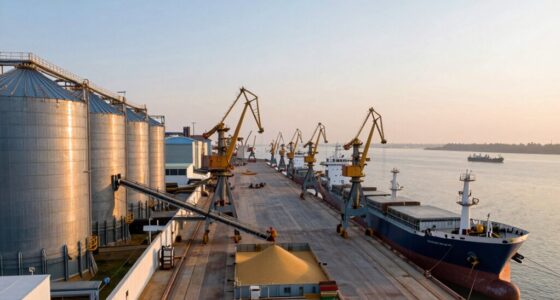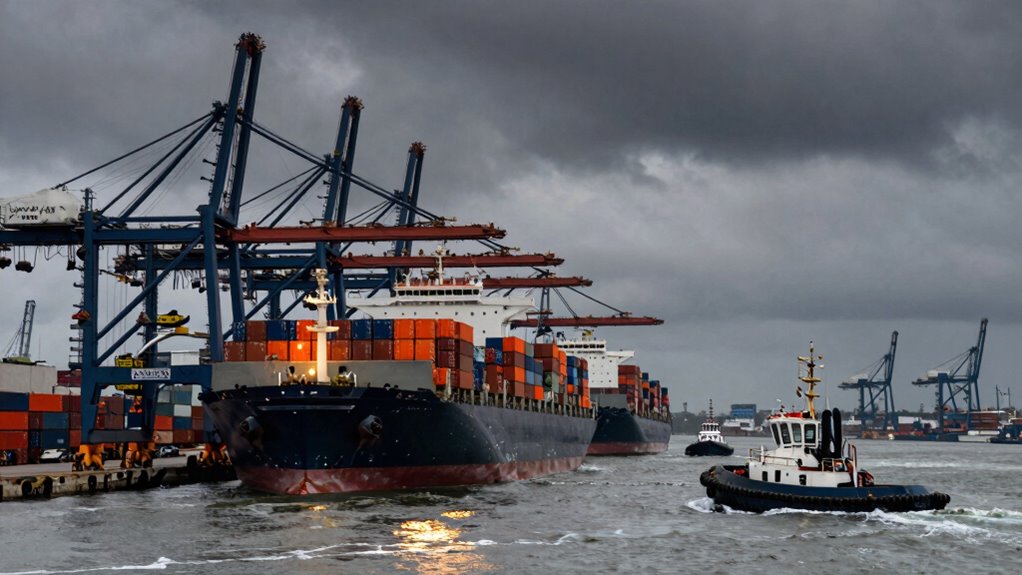

Shipping route disruptions are reshaping global trade by causing delays and increasing costs, making supply chain resilience more important than ever. Geopolitical tensions, piracy, and natural disasters threaten maritime security, forcing you to rethink logistics strategies. To stay ahead, you’ll need to adopt new routes, diversify suppliers, and leverage technology like real-time tracking. Continue exploring how these disruptions are transforming the industry and what you can do to adapt effectively.

Get the latest gadgets delivered free — and shop member deals
- Fast, free delivery on millions of items
- Access to Prime Big Deal Days deals on October 6–7
- Prime Video, Amazon Music and more included
Key Takeaways
- Disruptions cause delays and increased costs, emphasizing the need for secure maritime routes to ensure supply chain resilience.
- Companies are rethinking supply chain designs with alternative routes and diversified shipping options to mitigate risks.
- Technology like real-time tracking and predictive analytics enhances risk monitoring and rapid response to disruptions.
- Collaboration with security agencies and implementing robust security protocols are vital for safeguarding maritime operations.
- Future supply chains must focus on resilience, investing in security, technology, and adaptable logistics frameworks to withstand disruptions.
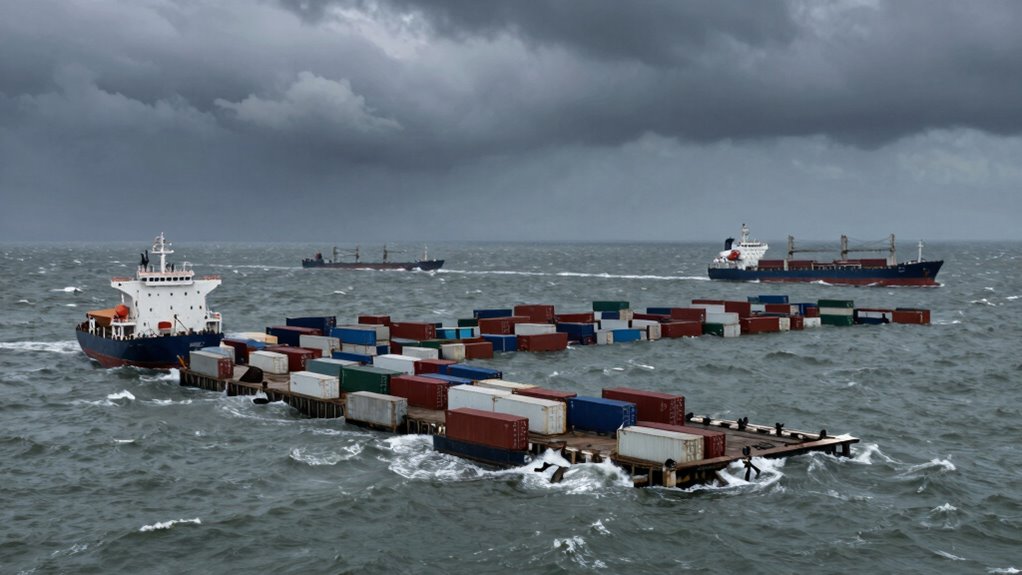
Recent disruptions to shipping routes are causing widespread delays and increased costs across global supply chains. As these disruptions become more frequent, they highlight the importance of maritime security and how it directly impacts supply chain resilience. When shipping lanes are threatened—whether by geopolitical tensions, piracy, or natural disasters—your ability to reliably move goods hinges on a secure maritime environment. Strengthening maritime security isn’t just about protecting ships; it’s about safeguarding the entire supply chain from unpredictable interruptions. If security measures falter, delays multiply, costs rise, and your business faces unpredictable risks.
These route disruptions force you to rethink how you build resilience into your supply chain. You might find yourself scrambling to find alternative routes or shipping methods, often at higher costs. Diversifying suppliers and shipping options becomes essential, but it’s not always enough. You need a strategic approach that anticipates potential disruptions and prepares contingency plans. Resilience means more than just reacting to crises—it involves proactive planning, investing in technology, and establishing strong partnerships that can adapt quickly when disruptions occur. It’s about creating a flexible logistics network that can withstand shocks and keep your deliveries on schedule.
The fragility of current shipping routes underscores the critical role of technological innovation in enhancing supply chain resilience. Real-time tracking, predictive analytics, and improved communication systems help you monitor risks and respond swiftly. These tools allow you to identify vulnerabilities early, whether it’s a port closure or a security threat, so you can pivot before delays snowball. Additionally, understanding the nuances of projector technology, such as contrast ratios and color accuracy, can be crucial for optimizing supply chain logistics involving high-value or sensitive equipment. In addition, collaboration with maritime security agencies and international organizations can help you navigate complex geopolitical landscapes and mitigate risks. Incorporating security protocols into your operational procedures is also vital for maintaining safety and trustworthiness. Staying informed about emerging threats and maritime security strategies can give you a competitive edge in safeguarding shipments. Moreover, a comprehensive understanding of supply chain vulnerabilities can help you develop contingency plans that are more effective in times of crisis. Implementing comprehensive risk management strategies can help you prepare for unexpected disruptions and reduce their impact.
Ultimately, these route disruptions serve as a wake-up call for your supply chain strategy. They emphasize the need for robust security practices at sea and a resilient, adaptable logistics framework. By investing in maritime security and innovative supply chain management, you can reduce vulnerabilities and maintain operational continuity despite ongoing disruptions. The goal is to create a resilient supply chain that can withstand future shocks, minimizing delays and controlling costs—so your business remains competitive no matter what challenges arise on the high seas.
real-time shipment tracking device
As an affiliate, we earn on qualifying purchases.
As an affiliate, we earn on qualifying purchases.
Frequently Asked Questions
How Long Will the Shipping Disruptions Last?
The shipping disruptions could last several months, as port congestion and supply chain resilience issues persist. You’ll need to stay flexible and plan ahead, as delays may continue until ports clear backlog and shipping routes stabilize. While some improvements are happening, expect ongoing disruptions. Your best approach is to monitor updates closely, diversify suppliers, and build buffer times into your logistics plans to navigate this uncertain period effectively.
Which Regions Are Most Affected by Route Changes?
Like a modern-day Captain Ahab chasing a elusive whale, you see that Asia, Europe, and North America are most affected by route changes. Maritime security concerns and port congestion intensify these disruptions, causing delays and increased costs. These regions face the brunt of rerouted shipping lanes, impacting global supply chains. Your awareness of these shifts helps you adapt, ensuring your cargo reaches its destination despite the ongoing upheaval.
How Are Shipping Companies Adapting to Disruptions?
You’re seeing shipping companies adapt by rerouting vessels around congested ports and adjusting schedules to avoid delays caused by port congestion. They also hire more labor or deploy technology to manage labor shortages efficiently. Additionally, some companies increase buffer times and collaborate with port authorities to streamline operations. These strategies help minimize delays, maintain supply chain flow, and cope with ongoing disruptions affecting global trade routes.
What Are the Environmental Impacts of Rerouted Ships?
Rerouted ships increase marine pollution and carbon emissions as they travel longer distances or through less efficient routes. You might notice more oil spills or waste entering oceans, harming marine life. Additionally, the extra fuel burned elevates greenhouse gases, contributing to climate change. These environmental impacts underscore the importance of optimizing routes and adopting cleaner technologies to minimize harm while maintaining global trade efficiency.
Will Prices for Goods Continue to Rise?
You might see prices for goods continue to rise, as shipping disruptions strain supply chain resilience. While these delays cause frustration, they also highlight the importance of strengthening supply chains to prevent prolonged inflation. Consumer price inflation remains a concern, but investing in resilient logistics can help stabilize costs over time. So, although prices may climb now, improved systems could eventually ease the burden on your wallet.
predictive analytics supply chain software
As an affiliate, we earn on qualifying purchases.
As an affiliate, we earn on qualifying purchases.
Conclusion
Think of global trade as a vast, intricate river network, where each shipping route is a crucial tributary. When disruptions occur, it’s like a sudden blockage or diversion, forcing you to navigate unfamiliar waters. These shifts may seem like setbacks, but they also open new channels and opportunities. Embrace the change as an unpredictable current—challenging yet shaping a more resilient, adaptive flow of commerce that will redefine the landscape of international trade.
maritime security security protocols
As an affiliate, we earn on qualifying purchases.
As an affiliate, we earn on qualifying purchases.
As an affiliate, we earn on qualifying purchases.
Halloween Picks
halloween
As an affiliate, we earn on qualifying purchases.