
TL;DR

Get the latest gadgets delivered free with Prime
- Fast, free delivery on millions of items
- Prime Video, Amazon Music and more included
- Member-only deals all year
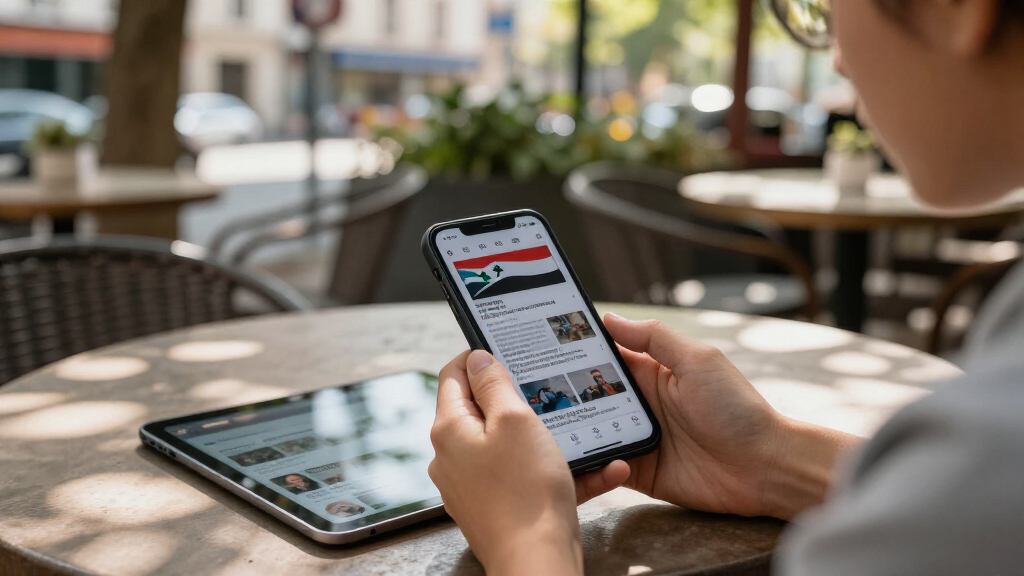
Syria is experiencing a sharp rise in global media coverage, with mentions more than doubling recent averages. This surge signals heightened international interest amid ongoing developments.
Syria is experiencing a notable increase in international media coverage, with mentions rising sharply in recent hours, according to the Global Database of Events, Language, and Tone (GDELT). This surge indicates heightened global attention amid ongoing developments in the country.
GDELT data shows that Syria has been mentioned 78 times within a specific recent window, which is approximately 2.2 times higher than its baseline level. The surge is expected to reach mainstream media coverage within approximately 8 hours, signaling a rapid escalation in international focus.
Experts suggest that this increase may be linked to recent political, security, or humanitarian events, though specific causes have not yet been confirmed. The spike in mentions reflects a broader trend of increased media interest in Syria’s current situation.
Implications of Increased Media Attention on Syria
This surge in coverage matters because it could influence international diplomatic efforts, humanitarian aid responses, and geopolitical discussions. Increased media attention often correlates with heightened international engagement, which can impact policy decisions and aid allocations.
For the Syrian population and regional stability, this rising focus could lead to more international scrutiny, pressure for action, or shifts in diplomatic strategies. Understanding the drivers of this coverage surge can help predict future developments.
As an affiliate, we earn on qualifying purchases.
Recent Developments Leading to Media Surge
Over the past months, Syria has experienced ongoing conflicts, political tensions, and humanitarian crises. Although no single event has been officially confirmed as the cause of this recent coverage spike, analysts note that recent diplomatic negotiations, military movements, or international incidents often trigger media attention.
Historically, Syria’s coverage surges during periods of conflict escalation or significant political announcements. The current spike aligns with a pattern of increased media focus during such periods, though details remain unconfirmed.
“The data shows a 2.2-fold increase in mentions, suggesting a rapid escalation in global media focus.”
— GDELT spokesperson
international media coverage analysis tool
As an affiliate, we earn on qualifying purchases.
As an affiliate, we earn on qualifying purchases.
Unconfirmed Causes Behind the Media Surge
It is not yet clear what specific events or developments are driving this surge in coverage. While increased mentions are evident, the exact triggers—such as political negotiations, military actions, or humanitarian crises—remain unconfirmed. Analysts caution that media attention can be influenced by various factors, including diplomatic statements or international incidents, which are still emerging.
As an affiliate, we earn on qualifying purchases.
Monitoring for Major Developments and Media Trends
In the coming hours and days, analysts will watch for official statements, diplomatic movements, or security incidents that could explain or further amplify the coverage surge. Media monitoring will continue to assess whether this attention translates into tangible political or humanitarian actions.
Additionally, experts expect that if the coverage remains high, international organizations and policymakers may increase their engagement with Syria, potentially leading to new initiatives or diplomatic efforts.
As an affiliate, we earn on qualifying purchases.
Key Questions
What caused the recent surge in Syria’s media coverage?
It is currently unconfirmed what specific event or development triggered the surge. The increase in mentions suggests heightened international interest, possibly related to political, security, or humanitarian issues, but no definitive cause has been publicly confirmed.
How significant is the increase in mentions?
According to GDELT data, mentions in the recent window are 2.2 times higher than the baseline, indicating a substantial rise in media attention.
Will this media surge lead to international action?
It is uncertain. Increased media coverage can influence diplomatic and humanitarian responses, but whether it results in concrete actions depends on subsequent developments and official decisions.
What are the potential implications for Syria?
Greater international attention could lead to increased diplomatic pressure, humanitarian aid, or policy shifts, but the specific outcomes remain uncertain until more information emerges.
Source: gdelt
Halloween Picks
halloween
As an affiliate, we earn on qualifying purchases.