
Sensor size is the most important factor influencing your image quality and creative control. Larger sensors improve dynamic range, low-light performance, and background blur, helping your photos look more professional. They also allow for better color accuracy and richer images, regardless of megapixels or lens quality. Many creators overlook this, but understanding sensor size’s role can elevate your work considerably. Keep exploring how sensor size impacts your camera’s potential—you’ll discover even more ways to make better images.

Get the latest gadgets delivered free with Prime
- Fast, free delivery on millions of items
- Prime Video, Amazon Music and more included
- Member-only deals all year
Key Takeaways
- Larger sensors improve overall image quality, dynamic range, and color accuracy beyond megapixel counts.
- Sensor size enables better control over depth of field, creating professional-looking bokeh and subject isolation.
- Bigger sensors excel in low light, reducing noise and allowing for cleaner images in challenging conditions.
- They have a greater impact on image quality and creative possibilities than lens specifications or megapixels alone.
- Prioritizing sensor size ensures more versatile, high-quality results, especially for professional or cinematic photography.
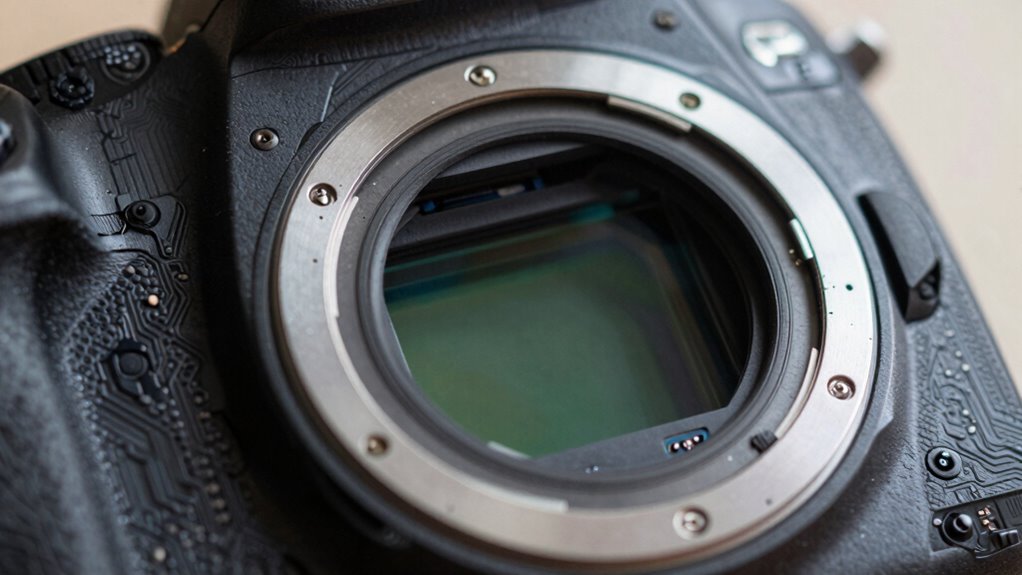
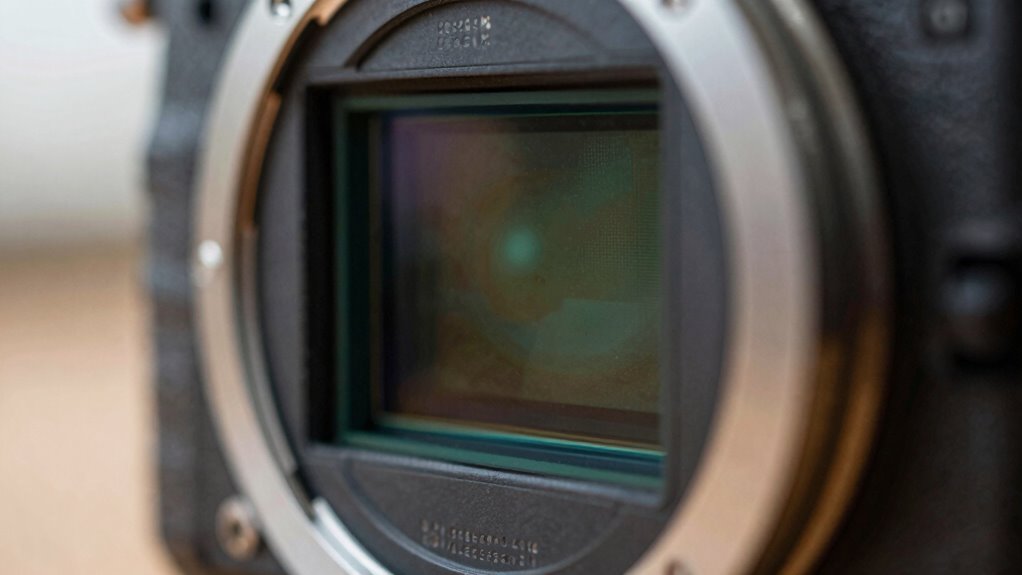
While many creators focus on megapixels and lenses, sensor size remains the most critical factor influencing image quality. When you’re capturing a scene, the sensor’s size directly affects your ability to control depth of field and perform well in low light conditions. This is why, despite all the hype around high megapixel counts, sensor size continues to be a fundamental aspect of photography that shouldn’t be overlooked. Additionally, sensor size impacts the overall dynamic range of your images, allowing for better preservation of details in shadows and highlights. The depth of field, or how much of your image is in focus, is heavily influenced by sensor size. With a larger sensor, you can achieve a shallower depth of field, creating that beautiful background blur or bokeh effect that makes your subject stand out. This effect is particularly important in portraiture or macro shots, where isolating the subject from the background adds a professional touch. Smaller sensors, on the other hand, tend to have a deeper depth of field, making it harder to blur out backgrounds and achieve that cinematic look. If you’re aiming for creative control over focus, a bigger sensor is your best bet. Low light performance is another area where sensor size truly makes a difference. When the lighting drops, your camera’s ability to produce clean images without excessive noise hinges on how much light the sensor can absorb. Larger sensors have bigger pixels or photosites, which means they can collect more light in a single shot. This results in images with less grain, better color accuracy, and more detail in dim settings. Moreover, larger sensors tend to have better color depth, which contributes to richer and more accurate color reproduction in your photos. Smaller sensors struggle here, often requiring higher ISO settings that introduce noise and reduce image quality. If you frequently shoot indoors, at night, or in low-light environments, a larger sensor can dramatically improve your results. Furthermore, many creators chase after the latest lenses or megapixel numbers, but overlooking sensor size is a mistake. It affects the fundamental quality of your images, especially in scenarios demanding a shallow depth of field or low light performance. A larger sensor also enhances your ability to capture high dynamic range, which is crucial for scenes with both bright highlights and dark shadows. Larger sensors give you more creative freedom, letting you produce images with stunning bokeh and cleaner shots in difficult conditions. So, when evaluating gear or trying to improve your photography, remember that sensor size isn’t just a technical detail—it’s the foundation that influences your camera’s capabilities far more than most advice suggests.
As an affiliate, we earn on qualifying purchases.
Frequently Asked Questions
How Does Sensor Size Affect Low-Light Performance?
Sensor size markedly impacts your low-light performance. Larger sensors face fewer sensor size limitations, allowing them to gather more light efficiently. This results in brighter, clearer images with less noise in dark conditions. Advances in image sensor technology help optimize smaller sensors, but they still can’t match the light capture capabilities of larger sensors. So, if you shoot often in low light, a bigger sensor gives you a clear advantage.
Can Smaller Sensors Produce Professional-Quality Images?
Smaller sensors can produce professional-quality images, but don’t fall for sensor size myths that suggest bigger is always better. You can overcome creative limitations with skill, good lighting, and the right lens. Think of it like a skilled painter working with a small canvas—your talent and vision matter most. While larger sensors offer advantages, a smaller sensor doesn’t automatically mean your images can’t look stunning and professional.
What Is the Impact of Sensor Size on Depth of Field?
Sensor size considerably impacts depth of field control and aesthetics. With a larger sensor, you get a shallower depth of field, creating a pleasing background blur that enhances subject separation. Smaller sensors produce more extensive depth of field, making it harder to isolate subjects. If you aim for professional-looking images with beautiful background separation, choosing a camera with a larger sensor gives you better control over depth of field and overall image aesthetics.
Does Sensor Size Influence Camera Durability and Weather Resistance?
Sensor size doesn’t directly influence camera durability or weather resistance, but the overall build quality does. For example, a professional DSLR with a larger sensor often has robust weather sealing and sturdy construction, making it more resilient in harsh conditions. So, while sensor size itself isn’t the key, a camera’s sensor durability and weather resilience depend on how well the manufacturer protects the internal components against dust, moisture, and environmental hazards.
How Does Sensor Size Relate to Lens Compatibility?
Sensor size directly affects lens compatibility, as larger sensors require specific lenses designed for them, debunking sensor size myths that all lenses fit all cameras. With creative sensor choices, you can select lenses optimized for your camera’s sensor size, ensuring better image quality and flexibility. Always check your camera’s mount and sensor size before buying lenses, so you’re not limited by incompatible gear or false assumptions about universal compatibility.
As an affiliate, we earn on qualifying purchases.
Conclusion
Remember, just like the legendary painters who valued their brushes, your sensor size is your camera’s soul. It’s the foundation that shapes your images’ depth, clarity, and emotion. Don’t get swept away by trends or quick tips—trust in the timeless truth that bigger sensors still hold the power to elevate your craft. Keep this in mind, and you’ll create works that resonate long after the moment’s gone, like a classic masterpiece.
professional DSLR with large sensor
As an affiliate, we earn on qualifying purchases.
As an affiliate, we earn on qualifying purchases.
As an affiliate, we earn on qualifying purchases.
Halloween Picks
halloween
As an affiliate, we earn on qualifying purchases.