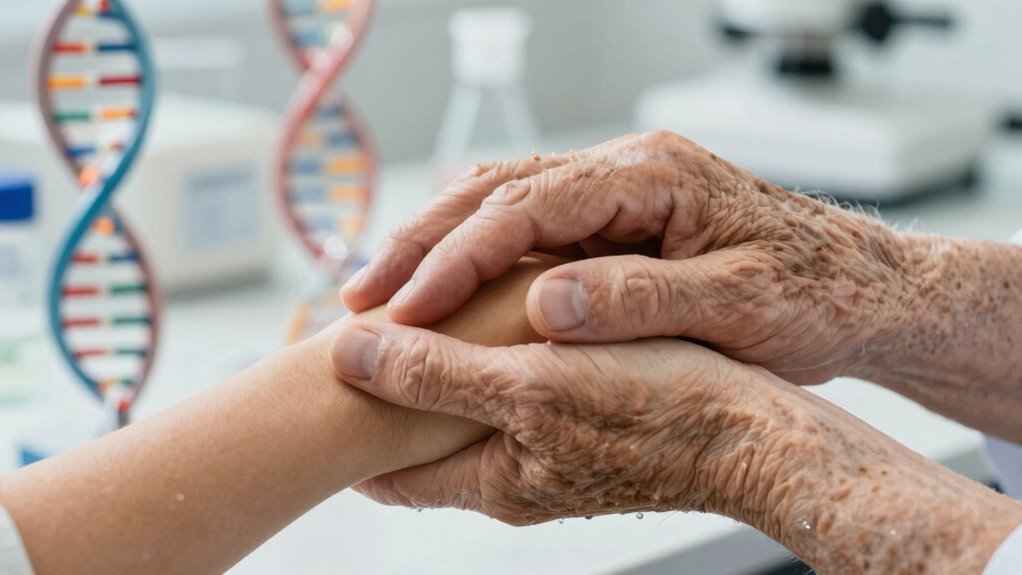

The genetics of aging is more complex than headlines suggest because it involves not just inherited genes but also epigenetic changes and environmental influences. Your genes set a foundation, but lifestyle, stress, and habits can modify how these genes express themselves over time. Factors like telomere length and gene regulation play key roles, making aging a highly personalized process. Stay with us to discover how understanding these interactions can influence your approach to aging and longevity.

Get the latest gadgets delivered free with Prime
- Fast, free delivery on millions of items
- Prime Video, Amazon Music and more included
- Member-only deals all year
Key Takeaways
- Aging involves complex gene-environment interactions beyond simple genetic inheritance.
- Epigenetic modifications dynamically influence gene expression and aging processes, independent of DNA sequence.
- Telomere shortening varies due to genetic factors and external influences, affecting cellular aging differently across individuals.
- Lifestyle choices can modify genetic and epigenetic aging mechanisms, demonstrating the process’s adaptability.
- Longevity is shaped by a combination of genetics, epigenetics, environment, and personal health behaviors.
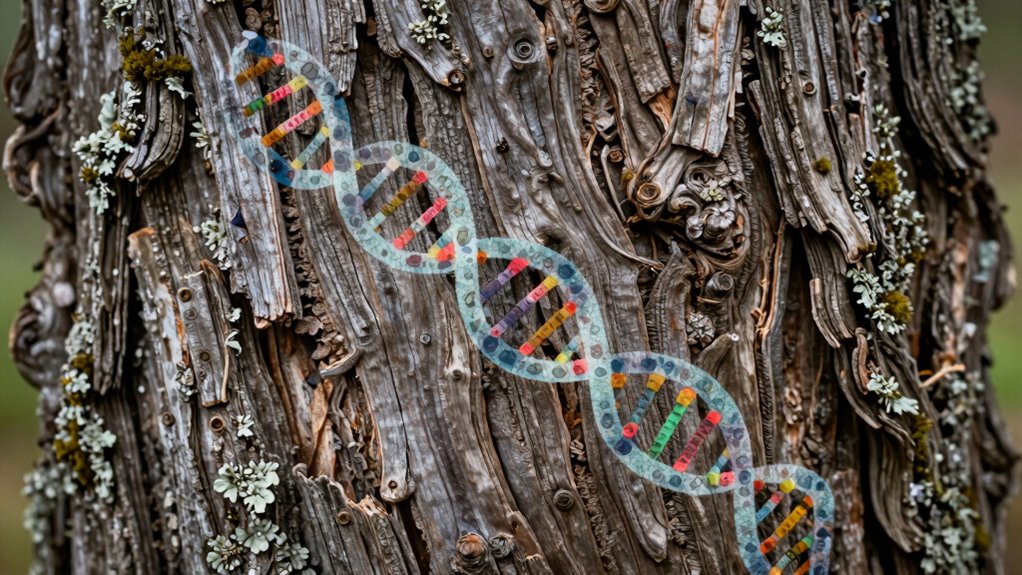
Aging is a complex process influenced profoundly by your genetic makeup. It’s not just about the genes you inherit but also how those genes are expressed over time. Epigenetic modifications play a central role here, acting like switches that turn genes on or off without altering the underlying DNA sequence. These modifications can be influenced by lifestyle, environment, and even stress, meaning your aging process is partly shaped by factors outside your genes. As you age, epigenetic changes accumulate, affecting how your cells function and how well they repair themselves. This dynamic process can accelerate or slow down aging, depending on the balance of these modifications. Additionally, research into digital content and research is expanding our understanding of these complex biological processes, offering new insights into potential interventions. Telomere dynamics are another critical piece of the puzzle. Telomeres are protective caps at the ends of your chromosomes that shorten as cells divide. When they become too short, cells enter a state called senescence or die, which contributes to tissue deterioration and aging. Your genetics influence how quickly telomeres shorten and how efficiently your body can maintain or repair them. Some people have genetic variants that help preserve telomere length longer, potentially delaying age-related decline. However, external factors like chronic stress, smoking, or poor diet can hasten telomere shortening, speeding up the aging process. The interplay between telomere dynamics and genetic predisposition determines how resilient your cells are against aging. While longevity headlines often focus on genes associated with living longer, the reality is more complicated. Your genetic blueprint provides a foundation, but it’s not destiny. Epigenetic modifications and telomere dynamics show that aging is highly adaptable, influenced by both your inherited genes and your environment. You might carry a gene variant linked to longer life, but if your lifestyle accelerates epigenetic changes or shortens telomeres, your aging process could still speed up. Conversely, positive lifestyle choices like regular exercise, balanced nutrition, and stress management can favorably influence these genetic factors, promoting healthier aging even if your genes aren’t the “best” ones. Ultimately, understanding the genetics of aging reveals that it’s not just about genetic luck. It’s about how your genes interact with your environment and choices over time. Epigenetic modifications and telomere dynamics serve as key mechanisms that mediate this interaction, making aging a highly individualized process. Recognizing this complexity helps you see that aging isn’t predetermined solely by your DNA but can be influenced by how you live and care for your body. This perspective empowers you to take steps that might slow down some aspects of aging, regardless of your genetic background.
As an affiliate, we earn on qualifying purchases.
Frequently Asked Questions
How Do Environmental Factors Influence Aging Genetics?
Environmental factors influence your aging genetics through gene-environment interactions and epigenetic modifications. When exposed to stressors like pollution or diet, these factors can alter how your genes are expressed without changing the DNA sequence. You might see changes in aging processes, such as accelerated skin aging or cognitive decline. By understanding these mechanisms, you can make lifestyle choices that positively impact your genetic aging trajectory.
Can Genetics Predict Individual Lifespan Accurately?
Like a fragile clock, genetics hint at your lifespan, but can’t predict it precisely. Genetic mutations can accelerate aging, while efficient DNA repair acts as a sturdy shield. Yet, countless unseen factors influence the outcome, making individual predictions uncertain. You hold a complex mix of genetic signals, where hope and randomness intertwine, reminding you that your true aging story is a unique puzzle, not a simple forecast.
What Role Do Epigenetics Play in Aging?
Epigenetics plays a vital role in aging by influencing gene regulation through epigenetic markers. These markers, such as DNA methylation and histone modifications, can turn genes on or off without changing the DNA sequence. As you age, these markers shift, affecting cellular function and potentially accelerating aging processes. Understanding epigenetics helps explain why aging varies among individuals and opens pathways for interventions to slow or modify age-related decline.
Are There Genetic Differences Across Different Populations?
You might think genetic differences across populations are minimal, but population studies show significant genetic diversity. These differences influence aging, health, and disease susceptibility. Variations in genes impact how individuals age, making personalized medicine essential. While some genes are shared globally, unique genetic traits in different populations can shape aging processes. Recognizing this diversity helps us understand aging better and develop targeted interventions for diverse groups.
How Do Lifestyle Choices Interact With Genetics in Aging?
You influence how your genetics affect aging through lifestyle choices, engaging in gene-environment interactions. Your habits, like diet, exercise, and smoking, play a role in the lifestyle genetic interplay, either accelerating or slowing aging processes. These interactions can activate or suppress certain genes linked to aging, making healthy choices vital. By understanding this dynamic, you can better manage your aging trajectory, emphasizing the importance of lifestyle in shaping your biological aging.
As an affiliate, we earn on qualifying purchases.
Conclusion
As you step back and look at the intricate tapestry of genetics, you realize aging isn’t just a simple thread of longevity. It’s a swirling mosaic of countless fibers, each influenced by countless factors, weaving a complex pattern beneath the surface. Like a slowly fading sunset, aging reveals its layers gradually, reminding you that the story isn’t just about living longer, but about understanding the delicate dance of genes that paint your life’s unique portrait.
stress management tools for aging
As an affiliate, we earn on qualifying purchases.
As an affiliate, we earn on qualifying purchases.
As an affiliate, we earn on qualifying purchases.
Halloween Picks
halloween
As an affiliate, we earn on qualifying purchases.