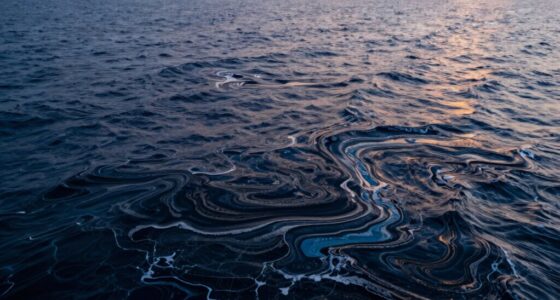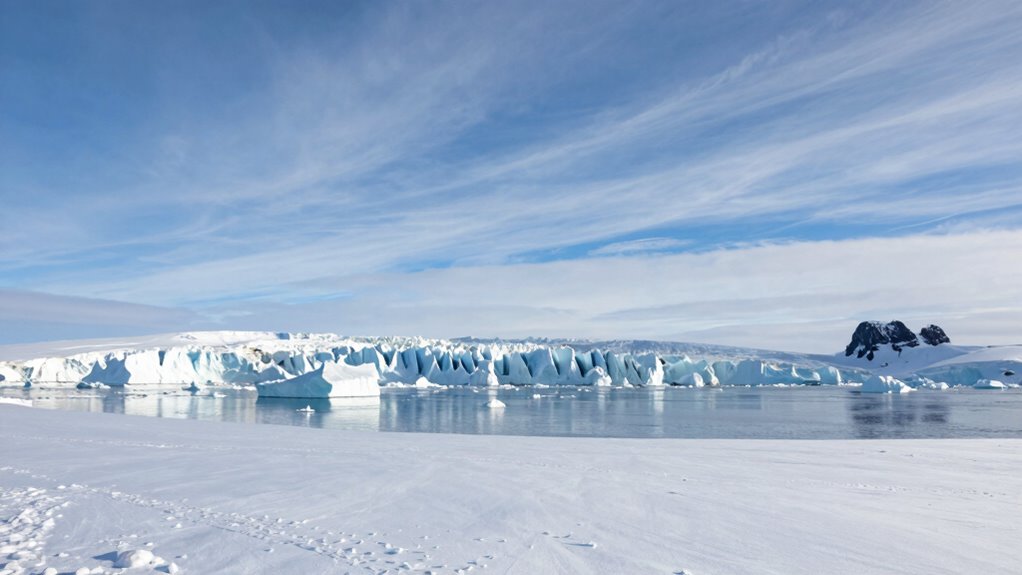
Even if you’ll never visit the poles, polar science matters because what happens there affects your daily life. The melting ice signals climate change, which impacts global weather and sea levels. These changes threaten ecosystems and species that we rely on for global ecological balance. Studying the poles helps us understand Earth’s past and predict future climate trends. By understanding polar science, you can see how it shapes our shared future—keep going to learn more about this essential connection.
Open a free Amazon Business account
Business pricing, bulk buying and tax-exempt orders.
As an affiliate, we earn on qualifying purchases.
Key Takeaways
- Polar science reveals critical data about Earth’s past climate, aiding understanding of current climate change.
- Research impacts global climate models, improving predictions that affect everyone worldwide.
- Melting polar ice contributes to rising sea levels, threatening coastal communities globally.
- Protecting polar ecosystems maintains planetary ecological balance and biodiversity.
- Insights from polar research guide policies for climate mitigation and environmental preservation.
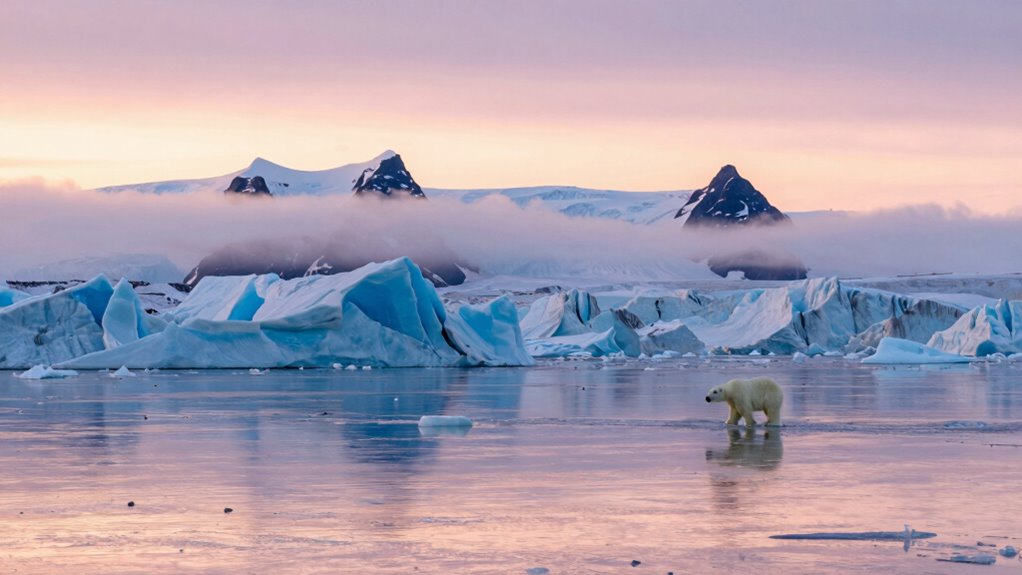
Have you ever wondered why the polar regions matter so much to the planet? Even if you’ll never set foot on the icy expanses of the Arctic or Antarctic, what happens there impacts your life in ways you might not realize. These regions are essential to understanding climate change because they act as the planet’s cold, reflective buffers. The ice sheets and glaciers in the poles help regulate Earth’s temperature by reflecting sunlight back into space. When these ice masses melt due to rising global temperatures, it accelerates climate change worldwide, causing sea levels to rise and disrupting weather patterns. So, what happens in the polar regions doesn’t stay there—it resonates globally, affecting agriculture, coastal communities, and even your daily weather.
Polar ice melt influences global climate, sea levels, and weather patterns, impacting daily life worldwide.
Your interest in ecosystems preservation should also extend to these remote areas. The polar ecosystems are unique and fragile, home to species like polar bears, penguins, and seals, which have adapted to extreme conditions. These animals rely heavily on the ice for breeding, hunting, and shelter. As climate change causes ice to melt at an alarming rate, their habitats shrink, pushing many species to the brink of extinction. Protecting these ecosystems isn’t just about saving distant animals; it’s about maintaining the balance of life that influences the entire planet. The polar regions are interconnected with global ocean currents and atmospheric systems, meaning their health influences the climate and ecosystems everywhere, including your local environment.
Moreover, polar science provides indispensable insights into the broader climate system. Researchers study ice cores, which hold records of Earth’s past climate, helping us understand how climate change has unfolded over thousands of years. This knowledge allows scientists to improve climate models and predict future changes more accurately. The findings inform policies and strategies to mitigate climate change’s impacts, including adaptation measures that benefit everyone. Without understanding the polar regions, our efforts to combat climate change and preserve ecosystems are incomplete. They are the canaries in the coal mine, signaling the early effects of global warming and urging us to act before irreversible damage occurs.
In essence, even if you’ll never visit the poles, what happens in these icy frontiers impacts your world profoundly. They are essential to controlling climate change, preserving ecosystems, and maintaining the delicate environmental balance that sustains life on Earth. Polar science isn’t just about distant, cold places; it’s about safeguarding the future of our entire planet.
As an affiliate, we earn on qualifying purchases.
Frequently Asked Questions
How Do Polar Regions Influence Global Weather Patterns?
You should know that polar regions influence global weather patterns through phenomena like the polar vortex, which can bring cold air southward, impacting temperatures worldwide. Ice cores stored in polar ice sheets reveal climate history, helping scientists understand these shifts. When the polar vortex weakens or shifts, it can cause extreme weather events globally. So, polar science helps us predict and prepare for these changes, even if you never visit the poles.
What Unique Species Live Exclusively in Antarctic and Arctic Environments?
You’ll find unique species like the Emperor penguin and Weddell seal in Antarctica, while Arctic regions host polar bears, Arctic foxes, and narwhals. These species exemplify polar biodiversity, thriving through unique adaptations to extreme cold, scarce food, and icy landscapes. Their specialized features, such as thick blubber and insulating feathers, enable survival where few others can, highlighting the importance of understanding these ecosystems, even if you never visit the poles yourself.
How Is Climate Change Impacting Polar Ice Sheets?
Climate change causes polar ice sheets to melt rapidly, contributing to sea level rise. As temperatures increase, glaciers in both the Arctic and Antarctic lose mass, thinning and breaking apart. You might not visit the poles, but melting glaciers affect global ocean currents and weather patterns. The more ice melts, the more sea levels rise, threatening coastal communities worldwide. Your actions can help reduce climate change and slow these impacts.
What Technologies Are Used to Study the Poles Remotely?
Imagine the poles as silent sentinels, revealing secrets from afar. You use satellite monitoring and remote sensing tech to study these icy regions without setting foot there. Satellites orbit overhead, capturing images and data on ice melt, temperature, and sea levels. These tools let you monitor changes constantly, providing essential insights into climate change’s impact, even from thousands of miles away, turning the poles into a story told from space.
Why Are Polar Regions Considered Indicators of Earth’s Health?
You should know that polar regions are key indicators of Earth’s health because changes there reflect global climate shifts. Melting ice impacts sea levels and ecosystems, while shifting temperatures affect polar mineral reserves valuable for resources. Additionally, indigenous cultures living in these areas are sensitive to environmental changes, offering vital insights. Monitoring these indicators helps protect the planet and supports sustainable resource management, even if you never visit the poles yourself.
climate change educational model
As an affiliate, we earn on qualifying purchases.
As an affiliate, we earn on qualifying purchases.
Conclusion
Even if you’ll never set foot on icy glaciers or icy tundras, polar science touches your world like an unseen heartbeat beneath the surface. It’s the silent guardian of our climate, the whisper in the wind that warns of change. By understanding the poles, you’re reading the planet’s secret diary—learning its stories and secrets. Stay curious, because what happens at the poles echoes everywhere, shaping your future like an artist’s brush shaping a masterpiece.
As an affiliate, we earn on qualifying purchases.
As an affiliate, we earn on qualifying purchases.
NFL season / tailgating Picks
team gear
As an affiliate, we earn on qualifying purchases.