
📊 Full opportunity report: Understanding Hollywood’s First AI Copyright Deal With TikTok’s ByteDance on ThorstenMeyerAI.com — validation score, market gap, and execution plan.

Get the latest gadgets delivered free with Prime
- Fast, free delivery on millions of items
- Prime Video, Amazon Music and more included
- Member-only deals all year
TL;DR
Hollywood has reportedly finalized its first AI copyright licensing deal with ByteDance, TikTok’s parent company, allowing the use of protected content for AI training. This marks a significant shift from lawsuits to formal licensing agreements. Details on the deal’s scope, participants, and financial terms remain undisclosed.
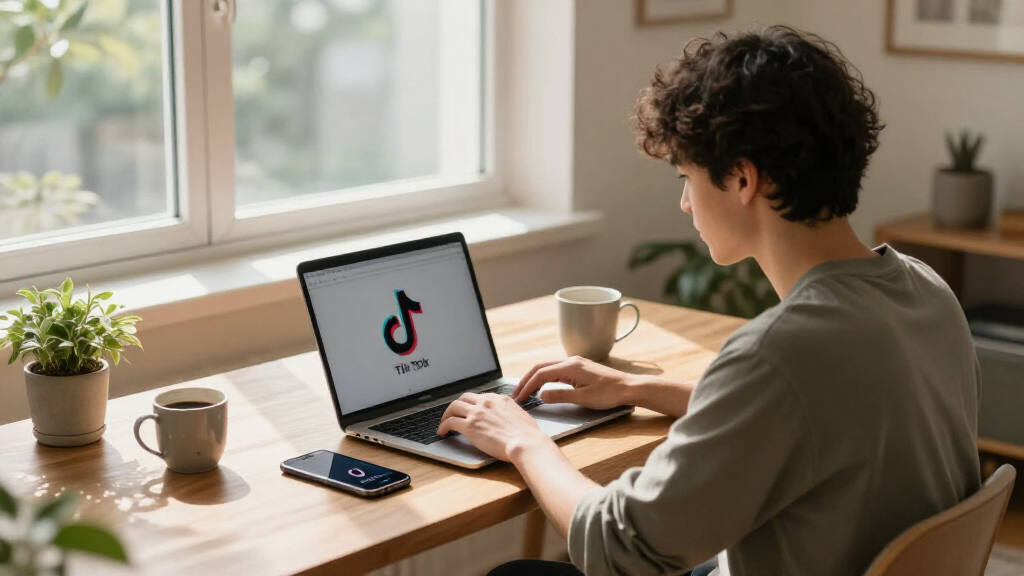
Hollywood has reportedly reached its first formal licensing agreement with ByteDance, the Chinese parent company of TikTok, to use protected film and TV content for AI training as detailed in the original analysis. This deal, if confirmed, marks a significant departure from the previous pattern of legal disputes and could set a new precedent for how the entertainment industry licenses content for artificial intelligence development.
The reported agreement, according to the New York Post, would allow ByteDance to legally access and utilize Hollywood content in training its AI models, including those developed by its Seed division. While the exact financial terms and the participating studios or rights holders are not publicly disclosed, the deal is seen as a move toward formalized licensing rather than ongoing litigation, which has characterized Hollywood’s recent interactions with AI companies.
ByteDance, known primarily for TikTok and Douyin, has invested heavily in AI research, especially in video-generation models. The company’s efforts in AI development are now gaining strategic importance as it seeks to strengthen its position amid regulatory scrutiny in the U.S. and competition in AI-driven content creation. The deal could position ByteDance as an early mover among AI developers in establishing legal content licensing frameworks, potentially influencing industry standards.
Implications for Hollywood and AI Industry Standards
This deal could fundamentally alter how content rights are managed in the age of AI. By moving from lawsuits to licensing agreements, Hollywood may secure a new revenue stream from AI training, while AI developers gain legal clarity and legitimacy for using protected works. Such arrangements could reduce legal uncertainty, foster industry cooperation, and set a precedent for future licensing models. For ByteDance, this strengthens its position in AI video generation, a field where credibility with creators and studios is crucial. The deal also has geopolitical implications, as it could influence U.S.-China tech relations amid ongoing regulatory tensions.
As an affiliate, we earn on qualifying purchases.
Background of AI Content Use and Industry Response
Since 2023, Hollywood’s relationship with AI has been marked largely by legal conflicts. Major studios and record labels have filed lawsuits against AI companies, alleging unauthorized use of copyrighted works for training models. These disputes contributed to the 2023 writers’ and actors’ strikes, which included contractual language restricting AI use on scripts and likenesses. Meanwhile, some media organizations, like The New York Times and News Corp, have opted for paid licensing deals with AI developers such as OpenAI, though Hollywood has largely relied on litigation until now.
Until this reported deal, Hollywood’s approach has been characterized by legal battles rather than formal agreements. The absence of a licensing framework has created legal and operational uncertainties for AI companies and rights holders alike. The reported deal with ByteDance could be the first to formalize a licensing pathway, potentially paving the way for broader industry adoption.
“The details are still emerging, but this could be a game-changer for how content rights are managed in AI development.”
— Anonymous source familiar with the negotiations
As an affiliate, we earn on qualifying purchases.
Unconfirmed Details and Potential Limitations of the Deal
Key specifics of the agreement remain undisclosed: it is unclear which Hollywood studios or rights holders are involved, the exact financial terms, whether payments are flat fees or royalties, and which specific AI products or models will be trained using the licensed content. Neither ByteDance nor the rights holders have officially confirmed the deal or its scope. It is also uncertain whether the agreement covers only film and TV content or extends to music and talent likenesses. The characterization of this as a ‘first-ever’ deal is based on media reports, and independent verification is pending.
AI training data management software
As an affiliate, we earn on qualifying purchases.
As an affiliate, we earn on qualifying purchases.
Next Steps and Industry Reactions
Expect official statements from ByteDance and potentially involved Hollywood studios or rights organizations in the coming weeks. Industry observers will scrutinize whether this deal leads to additional licensing agreements or legal reforms. Legal and regulatory developments, particularly in the U.S., may influence how widespread such arrangements become. AI companies may also accelerate efforts to negotiate similar deals to avoid legal disputes and establish legitimacy in content use.
As an affiliate, we earn on qualifying purchases.
Key Questions
What does this deal mean for Hollywood content rights?
This could establish a new licensing model for AI training, providing rights holders with a revenue stream and legal clarity, replacing reliance on litigation.
Which companies are involved in this agreement?
While reports suggest Hollywood rights holders and ByteDance are involved, specific studios and the terms are not publicly confirmed.
How might this affect AI development?
This deal could enable AI developers like ByteDance to access licensed content legally, potentially accelerating AI model training and reducing legal risks.
Is this the first such deal in the industry?
According to reports, it is the first confirmed licensing agreement between Hollywood and a major AI developer, though verification is pending.
What are the broader implications for AI and entertainment?
This could signal a shift toward industry-standard licensing frameworks, influencing how AI models are trained and how content rights are managed in the digital age.
Primary source: ByteDance Seed · via ThorstenMeyerAI.com
Fall Picks
fall essentials
As an affiliate, we earn on qualifying purchases.