
More companies are building their own private AI systems to maintain full control over their sensitive data, guarantee compliance with privacy laws, and reduce risks of breaches or misuse. By customizing AI models, you can better align them with your specific needs and values while protecting proprietary information. This approach also helps in quickly adapting to changing regulations and threats. If you’re interested, you’ll discover even more advantages and considerations behind this strategic move as you explore further.
Key Takeaways
- Companies seek greater control over sensitive data to enhance security and prevent leaks during AI deployment.
- Building private AI allows customization to meet specific organizational needs and ethical standards.
- Increased data privacy concerns drive companies to develop internal AI systems that comply with regulations.
- Internal AI development reduces reliance on third-party providers, minimizing security and compliance risks.
- Long-term strategic benefits include safeguarding assets, maintaining competitive advantage, and ensuring ethical AI use.

Have you ever wondered how companies keep their sensitive data secure while still leveraging the power of AI? It’s a balancing act that requires careful planning and innovation. As organizations increasingly rely on AI to improve operations, customer experiences, and decision-making, they face significant challenges related to data security. These data security challenges include protecting proprietary information from cyber threats, ensuring compliance with privacy regulations, and preventing data leaks. When sensitive data is involved, the stakes are high, and organizations realize they can’t afford to entrust their information to third-party AI providers without strict controls.
This is where building private AI systems comes into play. By developing their own AI infrastructure, companies gain greater control over their data, reducing the risk of breaches and misuse. But it’s not just about security; they also have to navigate AI ethical considerations. For example, organizations need to guarantee their AI models are fair, transparent, and free from biases that could harm their reputation or legal standing. When you build a private AI system, you retain oversight of how data is collected, processed, and utilized. This control helps address ethical concerns, such as avoiding discriminatory outcomes or unintended consequences that could arise with external AI solutions.
Moreover, creating private AI systems allows companies to tailor their models specifically to their needs, rather than relying on generic, one-size-fits-all solutions. This customization improves performance and aligns AI outputs with organizational values and goals. It also helps in complying with industry-specific regulations, which often demand strict data handling protocols. By owning the entire AI pipeline, from data ingestion to model deployment, you reduce vulnerabilities that come with sharing data externally. This internal control fosters trust among stakeholders, as they know their sensitive information isn’t exposed to unnecessary risks. Developing private AI systems also requires significant technical expertise, which many organizations are investing in to stay competitive. Additionally, having control over the training data used for AI models ensures that organizations can maintain high standards for data quality and relevance.
Furthermore, by maintaining full control over the AI lifecycle, organizations can implement security measures tailored to their specific threats, further enhancing data protection. This comprehensive approach also helps organizations adapt more swiftly to regulatory changes, as they are not dependent on external providers’ compliance timelines and standards. Building private AI systems also enables organizations to better respond to industry-specific regulations, ensuring compliance and avoiding potential penalties. However, developing a private AI system isn’t without its challenges. You need substantial technical expertise, infrastructure, and resources. The process involves establishing robust security measures to counteract evolving cyber threats and maintaining ongoing compliance with privacy laws. Despite these hurdles, many companies see the long-term benefits. They realize that investing in a private AI system enables them to innovate securely, uphold ethical standards, and guarantee their crucial data assets. As AI continues to evolve, more organizations will likely pursue this route, seeing it as a strategic move to harness AI’s potential without compromising security or ethics.
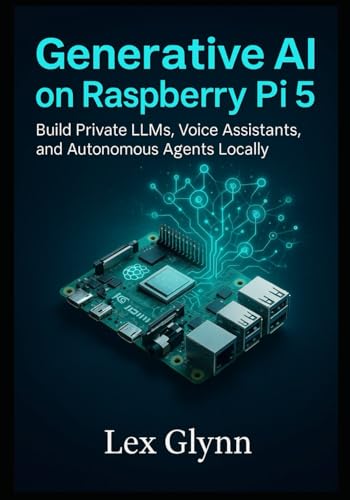
Generative AI on Raspberry Pi 5: Build Private LLMs, Voice Assistants, and Autonomous Agents Locally
As an affiliate, we earn on qualifying purchases.
As an affiliate, we earn on qualifying purchases.
Frequently Asked Questions
How Do Private AI Systems Impact Data Privacy Regulations?
Private AI systems help you better handle data privacy regulations by ensuring data sovereignty, meaning data stays within specific jurisdictions. This makes it easier to maintain regulatory compliance, as you control how data is stored, processed, and shared. By building your own system, you reduce risks of breaches or misuse, and stay aligned with legal requirements, giving you peace of mind and stronger trust with your customers and partners.
What Are the Initial Costs of Developing Private AI Systems?
Sure, building a private AI system costs a fortune—think of it as funding your own sci-fi lab. The initial costs include a detailed cost analysis to understand infrastructure requirements, from high-powered servers to secure data storage. Expect hefty investments in hardware, skilled personnel, and software licenses. While the expense might seem astronomical, it’s a small price for cutting-edge AI that keeps your data safe and your competitors guessing.
How Do Private AI Systems Compare to Public AI Solutions?
Private AI systems offer more AI customization, allowing you to tailor features specifically to your needs, unlike public AI solutions which are more generic. This customization enhances user experience by providing more accurate, relevant responses and better data security. You get control over data privacy, minimizing risks associated with public systems. Overall, private AI systems deliver a more personalized, secure, and efficient experience, making them ideal for sensitive or specialized applications.
What Skills Are Needed to Build Private AI Systems?
To build private AI systems, you need skills in data security to safeguard sensitive information and expertise in custom training to tailor models to your company’s needs. You should be proficient in programming languages like Python, and familiar with machine learning frameworks such as TensorFlow or PyTorch. Understanding data management, model optimization, and deployment processes is vital. These skills guarantee your AI system is secure, efficient, and aligned with your business goals.
How Do Private AI Systems Ensure Ongoing Security?
You guarantee ongoing security in private AI systems by implementing robust data encryption and strict access control measures. Data encryption protects sensitive information both at rest and in transit, preventing unauthorized access. Access control restricts system use to authorized personnel only, reducing risks of breaches. Regular security audits and updates also help spot vulnerabilities early, maintaining the integrity and confidentiality of your AI environment over time.

HUBEST Model Scriber Tool Set with Scribing needle &Triangular Scraper-Precision Panel Line Engraving Trimming tool for Gundam, RG Scale Models, Plastic & Resin Kits (Blue)
The Professional Model Scribing Tool package comes with a scribing needle and a triangular scraper for scribing, trimming…
As an affiliate, we earn on qualifying purchases.
As an affiliate, we earn on qualifying purchases.
Conclusion
As you forge your own private AI system, you’re planting a seed in your company’s future garden—one that grows tailored solutions and blossoms with innovation. This move isn’t just about keeping pace; it’s about steering your ship through uncharted waters with confidence. Embrace the power of your own AI, and watch as it becomes your trusted compass, guiding you past the storms of competition into a horizon filled with endless possibilities.

Kubernetes for Generative AI Solutions: A complete guide to designing, optimizing, and deploying Generative AI workloads on Kubernetes
As an affiliate, we earn on qualifying purchases.
As an affiliate, we earn on qualifying purchases.
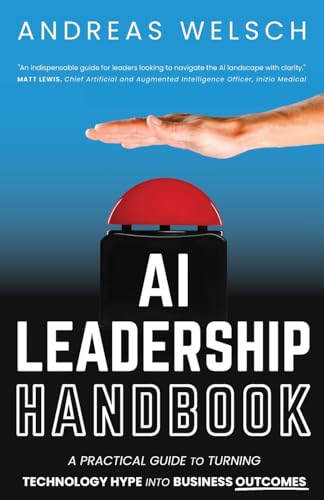
AI Leadership Handbook: A Practical Guide to Turning Technology Hype into Business Outcomes
As an affiliate, we earn on qualifying purchases.
As an affiliate, we earn on qualifying purchases.