Sony WF-1000XM5 and Bose QuietComfort Ultra Earbuds target listeners who want serious noise cancellation in a compact, fully wireless design. The real choice is not whether either pair can quiet a commute or office; both can. It is whether you want Bose’s particularly effective noise reduction and comfort, or Sony’s stronger all-round package of battery life, customization, and listening features.

Get the latest gadgets delivered free with Prime
- Fast, free delivery on millions of items
- Prime Video, Amazon Music and more included
- Member-only deals all year
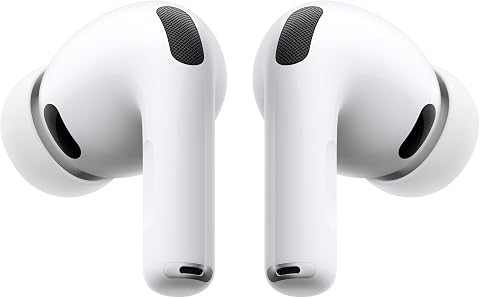
Apple AirPods Pro 3 Wireless Earbuds with Active Noise Cancellation
- ✔ Noise cancellation: Active noise cancellation
- ✔ Listening time with ANC: Up to 8 hours
- ✔ Listening time in Transparency: Up to 10 hours using the Hearing Aid feature

Soundcore P31i Translation Earbuds with Adaptive ANC
- ✔ Noise cancellation: Adaptive ANC, stated reduction up to 52 dB
- ✔ Playback with ANC: Up to 8 hours per charge; up to 40 hours with case
- ✔ Playback without ANC: Up to 10 hours per charge; up to 50 hours with case

Soundcore P30i Noise-Cancelling Wireless Earbuds with Phone Stand Case
- ✔ Noise cancellation: Adaptive ANC, stated reduction up to 42 dB
- ✔ Playback per charge: Up to 10 hours without ANC; up to 6 hours with ANC
- ✔ Playback with case: Up to 45 hours without ANC; up to 25 hours with ANC
Bose is the more compelling pick for frequent flyers, commuters, and anyone who puts noise blocking above everything else. Sony makes more sense if you listen for long stretches, want broader control over sound and device features, or would rather avoid paying extra for a relatively narrow advantage. The comparison below focuses on the differences that can actually change which pair you should buy.
At a Glance
| Criteria | Sony WF-1000XM5 | Bose QuietComfort Ultra Earbuds | Winner |
|---|---|---|---|
| Noise cancellation | Very strong ANC for travel and daily use; adjustable modes and adaptive features. | Among the strongest ANC in wireless earbuds, especially effective against persistent low-frequency noise. | B |
| Comfort and fit | Compact design, but foam-style tips may feel intrusive to some listeners. | Soft stability bands and multiple tip sizes can provide a secure, comfortable fit for many users. | B |
| Sound and customization | Detailed, energetic sound with a broad EQ and app customization. | Full, engaging sound with immersive audio options; fewer fine-grained EQ controls than Sony. | A |
| Battery life | Up to 8 hours per charge with ANC on; charging case extends total listening time. | About 6 hours per charge with ANC on; case adds further charges. | A |
| Calls and connectivity | Clear calls in many settings, multipoint connectivity, and support for modern Bluetooth features. | Good everyday calling and Bluetooth support, though feature flexibility is less extensive than Sony’s. | A |
| Features and controls | Extensive app controls, adaptive sound options, and useful ecosystem features. | Simple listening modes and Bose Immersive Audio; less granular personalization. | A |
| Value | Usually the better all-round value when priced below Bose. | Worth the premium mainly for buyers who value Bose’s noise blocking and fit above extras. | A |
Apple AirPods Pro 3 Wireless Earbuds with Active Noise Cancellation
For a buyer in Apple’s ecosystem, AirPods Pro 3 make the most balanced case in this group. Active noise cancellation is the core feature, but the useful distinction is how it sits alongside five ear-tip sizes, hearing-health tools, and workout heart-rate sensing. More tip options can help buyers find a stable seal, which matters because physical fit influences both comfort and how effectively in-ear ANC can limit outside sound. Compared with the Soundcore models, the AirPods add a more integrated set of health and device-linked features rather than emphasizing the largest case battery or the broadest app-based audio menu.The stated listening time is up to 8 hours with ANC on, making it easier to assess for a noise-cancelling listening session than the P30i’s six-hour ANC figure. The P31i also lists up to eight hours with ANC, and it brings LDAC and translation features that the AirPods do not list here. AirPods Pro 3 instead appeal through Apple-specific capabilities, including a hearing test and active hearing protection. Live Translation and some workout functions require compatible Apple devices and Apple Intelligence, so those extras should not be counted as universal features.We place this pick first for its combination of noise control, fit options, and useful everyday functions—not because it is the right choice for everyone. Buyers outside Apple’s ecosystem may get more practical value from the Soundcore app features, and people who prioritize extended total playback may prefer either Soundcore case. Battery life also varies with listening mode and feature use. Still, if you want ANC with a broad fit range and Apple-oriented health features, this is the most complete choice in the lineup.
Pros:
- ANC listening time is listed at up to 8 hours.
- Five ear-tip sizes give buyers more options for a personalized in-ear fit.
- Includes hearing-health features such as a hearing test and active hearing protection.
- Heart-rate sensing supports tracking across up to 50 workout types.
Cons:
- Live Translation and some workout features depend on compatible Apple devices and Apple Intelligence.
- Battery life varies with listening mode and feature use.
Best for: Apple-device owners who want ANC, multiple ear-tip options, and hearing or workout features in one pair.
Not ideal for: Buyers who use non-Apple devices, want the longest stated total playback, or do not need ecosystem-dependent extras.
Bottom line: We recommend AirPods Pro 3 as the best overall choice for Apple users who want ANC supported by flexible fit and health-focused features.
“We recommend AirPods Pro 3 as the best overall choice for Apple users who want ANC supported by flexible fit and health-focused features.”
Soundcore P31i Translation Earbuds with Adaptive ANC
The Soundcore P31i are the right match when noise cancellation is one part of a broader feature wish list. They combine adaptive ANC with LDAC support, app-based EQ, HearID, Spatial Audio, and real-time translation. That collection gives them a different emphasis from AirPods Pro 3: rather than leaning on Apple’s hearing and workout ecosystem, the P31i offer adjustable sound and language tools within Soundcore’s app environment. Their stated ANC reduction is up to 52 dB, but we would treat that number as a manufacturer specification, not a direct promise of performance against every type of noise.Battery figures make the comparison more concrete. P31i list up to 8 hours per charge with ANC and up to 40 hours with the case in that mode; without ANC, the claims rise to 10 hours per charge and 50 hours total. That ANC-on earbud figure matches AirPods Pro 3’s listed eight hours and exceeds the P30i’s six hours, while the P31i case has the largest stated total-playback claim here. A 10-minute charge is listed to provide up to 3.5 hours of listening, though the case itself takes three hours to charge.Six microphones and wind-noise reduction are intended to support calls, and IP55 water resistance offers added protection for routine exposure to dust and splashes. The compromises are mostly about complexity: translation and personalization require the Soundcore app, and buyers who simply want reliable ANC may not need LDAC or the extra modes. Compared with the more ecosystem-focused AirPods, the P31i are the flexible feature pick; compared with the P30i, they bring a richer audio toolkit and longer stated ANC-on playback, but lack the phone-stand case.
Pros:
- Adaptive ANC is specified to reduce noise by up to 52 dB.
- Lists up to 8 hours of playback per charge with ANC enabled.
- Includes LDAC, app-based EQ, HearID, and Spatial Audio.
- Six microphones, wind-noise reduction, and IP55 water resistance broaden everyday utility.
Cons:
- Translation and personalization features require the Soundcore app.
- The charging case is listed as taking 3 hours to charge.
- The extra app features may be unnecessary for buyers seeking straightforward ANC.
Best for: Listeners who want adaptive ANC alongside app-based audio customization, LDAC support, and translation features.
Not ideal for: Buyers who want the simplest possible setup, do not want app-dependent features, or prefer a charging case that also serves as a phone stand.
Bottom line: Choose the P31i if you want adaptive ANC with the broadest mix of app-based audio and translation features in this comparison.
“Choose the P31i if you want adaptive ANC with the broadest mix of app-based audio and translation features in this comparison.”
Soundcore P30i Noise-Cancelling Wireless Earbuds with Phone Stand Case
The Soundcore P30i are easiest to recommend to buyers who want noise cancellation paired with practical extras, not an elaborate feature ecosystem. Their standout detail is the charging case that doubles as a phone stand, a small design choice that can be handy for desk viewing or hands-free video. Adaptive ANC and transparency mode cover the basic choice between limiting surrounding sound and letting more of it in. The 10 mm drivers, BassUp technology, and app-based EQ give listeners some control over a bass-forward sound profile, while four microphones with AI-enhanced call processing address voice calls.The battery story requires attention to the mode you use. Soundcore lists up to 10 hours per charge without ANC but up to 6 hours with ANC; the matching case totals are up to 45 and 25 hours, respectively. That is less ANC-on earbud time than the eight hours listed for both AirPods Pro 3 and P31i. So although the P30i’s 45-hour maximum looks substantial, it applies without ANC. For buyers who keep noise cancellation on for most listening, the ANC-specific figure is the more relevant comparison.There are other practical limits. The case takes 2.5 hours to charge, and the supplied fit details list S and L tips with M pre-installed, fewer sizes than AirPods Pro 3’s five. The P31i offer a more extensive audio and translation toolkit, while the AirPods have more Apple-oriented health features; the P30i counter with a useful case shape and straightforward value proposition. We would choose them for everyday use where the stand and long off-ANC playback matter, but skip them if lengthy ANC sessions are the priority.
Pros:
- Charging case doubles as a phone stand for hands-free viewing.
- Adaptive ANC and transparency mode support different listening situations.
- Up to 45 hours of total playback is listed with the case when ANC is off.
- Four microphones use AI-enhanced call processing.
Cons:
- ANC-on listening time is listed at up to 6 hours per charge.
- Total playback with ANC is listed at up to 25 hours, below the ANC-off claim.
- The case takes 2.5 hours to charge.
Best for: Budget-conscious everyday listeners who want adaptive ANC, transparency mode, and a case that props up a phone.
Not ideal for: People who keep ANC enabled for long stretches, need a wider selection of included tip sizes, or want LDAC and translation features.
Bottom line: The P30i make the most sense when a handy phone-stand case and flexible everyday features matter more than long ANC-on sessions.
“The P30i make the most sense when a handy phone-stand case and flexible everyday features matter more than long ANC-on sessions.”
As an Amazon Associate we earn from qualifying purchases.
Key Differences
The most meaningful gap is noise cancellation. Both earbuds reduce the steady rumble of engines, air conditioning, and transit, but Bose has the edge when the main goal is making a loud environment feel quieter. That advantage matters most on flights, buses, and noisy commutes. It is less consequential in a quiet office, where Sony already provides ample isolation for many listeners.
Sony pulls ahead as a general-purpose purchase. Its battery lasts longer between charges, its app gives listeners more room to tune the sound, and it offers a broader set of everyday features. Bose counters with a fit system many people find comfortable and secure, plus immersive listening modes. Those benefits are real, but they do not make the extra cost worthwhile for everyone. If maximum ANC is the deciding factor, Bose earns its premium; if you want a more balanced set of capabilities, Sony is the safer recommendation.
Detailed Comparison
Noise cancellation (Bose QuietComfort Ultra Earbuds wins — moderate)
Bose wins, by a moderate margin. QuietComfort Ultra Earbuds are the better choice when reducing persistent background noise is the priority, particularly on aircraft and public transport. Sony WF-1000XM5 also deliver powerful ANC and handle everyday settings very well, so the difference is not a reason for every buyer to pay more. In a quiet workspace, either can provide the calm most people want; in a loud cabin, Bose’s extra isolation is more useful.
Comfort and fit (Bose QuietComfort Ultra Earbuds wins — moderate)
Bose has a modest advantage, but fit is personal. Its eartips and stability bands are designed to hold the earbuds securely, and many listeners find them comfortable for extended wear. Sony is smaller than its predecessors, but its foam-style tips can feel more occlusive or intrusive, depending on ear shape. Bose is the better starting point for buyers who struggle with earbuds shifting during movement; anyone with sensitive ears should try both if possible.
Sound and customization (Sony WF-1000XM5 wins — moderate)
Sony wins on flexibility; the overall sound preference is personal. Both offer a full, engaging sound suited to everyday playlists. Sony’s app provides more detailed EQ adjustment, making it easier to tune the earbuds to different genres or personal preferences. Bose offers immersive listening modes, but less fine-grained sound shaping. Choose Sony if you like adjusting your audio; choose Bose if you prefer its presentation without much setup.
Battery life (Sony WF-1000XM5 wins — moderate)
Sony wins by a clear practical margin. With ANC enabled, the WF-1000XM5 are rated for up to eight hours per charge, compared with about six hours for QuietComfort Ultra Earbuds. Actual listening time varies with volume and features, but Sony’s extra headroom is useful on long travel days and reduces how often you need to return the buds to the case. Bose remains adequate for many daily routines, but it is the weaker pick for marathon listening.
Calls and connectivity (Sony WF-1000XM5 wins — minor)
Sony has the broader package, though this is not a decisive gap for everyone. Both support routine calls and wireless listening, but Sony’s multipoint support makes switching between two connected devices convenient—for example, moving from a work laptop to a phone. Call quality depends on surroundings and microphone processing, so neither should be treated as a substitute for a dedicated headset in consistently noisy work environments. Sony is the more adaptable choice for people juggling devices.
Features and controls (Sony WF-1000XM5 wins — moderate)
Sony wins on breadth. Its companion app offers a wider selection of sound adjustments and listening controls, giving frequent tweakers more to work with. Bose keeps the core experience straightforward and adds Immersive Audio for listeners who want a spatial presentation, but that mode is not a substitute for Sony’s deeper customization and can affect battery life. The difference is moderate for enthusiasts and minor for people who simply want ANC and music playback.
Value (Sony WF-1000XM5 wins — moderate)
Sony is the better value for most buyers. Both sit in the premium tier, but Sony typically combines strong ANC with longer battery life, more customization, and useful connectivity at a lower or more attractive price. Bose can justify its premium for travelers and noise-sensitive listeners who will benefit from the stronger isolation every day. If your routine is mostly home, office, or occasional commuting, paying extra for Bose is harder to defend.
Sony WF-1000XM5: Pros and Cons
Pros:
- Longer rated battery life with ANC enabled.
- Broad EQ and sound customization in the companion app.
- Multipoint connectivity supports switching between devices.
- Strong ANC without requiring Bose-level spending.
Cons:
- Foam-style tips may feel intrusive or uncomfortable for some ears.
- ANC is very good, but Bose has the edge in especially noisy settings.
- Comfort and seal depend on selecting the right tip size.
Bose QuietComfort Ultra Earbuds: Pros and Cons
Pros:
- Stronger noise cancellation for persistent environmental noise.
- Fit system with soft stability bands can feel secure during extended wear.
- Immersive Audio provides an alternative spatial listening mode.
- Straightforward controls and listening modes.
Cons:
- Shorter rated battery life per charge with ANC on.
- Less detailed sound customization than Sony.
- The higher price is difficult to justify if maximum ANC is not a priority.
Who Should Choose What
Choose Sony WF-1000XM5 if:
- You want the better all-round purchase for music, work, and commuting.
- You often listen for long stretches and value more battery time between charges.
- You want EQ controls and multipoint connectivity for switching between a phone and computer.
- You want premium noise cancellation but do not want to pay extra mainly for Bose’s ANC advantage.
Choose Bose QuietComfort Ultra Earbuds if:
- You fly often or commute in loud environments and want the strongest noise reduction between these two.
- You value a secure fit and find Sony’s foam-style tips uncomfortable.
- You prefer Bose’s sound and simple controls, or expect to use its immersive listening modes.
- You are willing to pay more because improved isolation would make a noticeable difference in your daily routine.
Skip both if: Skip both if you need a low-cost pair, require all-day battery life without returning the earbuds to their case, or need consistently dependable microphones for noisy professional calls. A less expensive model or a dedicated work headset may suit those priorities better.
Value for Money
Sony is the better value for most people because it pairs strong noise cancellation with longer battery life, more sound adjustment, and more flexible device use. Its advantages apply across ordinary listening, not just in the loudest places. If the two models are close in price, Sony’s broader feature set still makes it the more versatile buy.
Pay more for Bose when its leading noise reduction or its fit solves a specific problem for you. Frequent flyers may get meaningful benefit from a quieter cabin, and listeners who find Sony uncomfortable may value Bose’s fit more than a specification advantage. For occasional commutes, home listening, and office use, the difference is usually too narrow to justify a large price premium.
Final Verdict
For most buyers, choose the Sony WF-1000XM5. They deliver the more balanced package: strong ANC, longer battery life, more customization, and better device flexibility, typically at a more appealing price. Choose Bose QuietComfort Ultra Earbuds if your main goal is getting as much background noise out of the way as possible, or if their fit works better for your ears.
The deciding factor is how often you face genuinely loud surroundings. If it is a daily part of your life, Bose’s ANC advantage can justify paying more. If it is occasional—or if you want one pair to handle music, calls, and devices throughout the day—Sony is the smarter purchase.
Frequently Asked Questions
Which earbuds have better noise cancellation?
Bose QuietComfort Ultra Earbuds have the advantage, particularly for steady low-frequency sounds such as airplane or bus noise. Sony WF-1000XM5 still provide strong ANC and may be enough for everyday commutes, offices, and home use.
Are the Sony WF-1000XM5 worth choosing over Bose?
Yes, for most buyers. Sony offers longer battery life, more sound customization, and multipoint connectivity, often at a better value. Pick Bose instead if its stronger noise blocking or its fit is worth more to you than those advantages.
Which pair is better for long flights?
Bose is the stronger choice if your main concern is reducing aircraft noise. Sony is appealing for longer listening stretches because it is rated for more battery life per charge with ANC on. For frequent long-haul travel, weigh noise reduction against how often you can recharge the case.
Which earbuds are better for calls and switching devices?
Sony is the more flexible pick for switching between a phone and computer because it supports multipoint connectivity. Both can handle everyday calls, but people who take frequent calls in loud environments should compare microphone performance with their specific work setup in mind.